

Viscose fabric is a name that comes up frequently thanks to its soft, silky drape—yet it’s significantly more affordable. If you’re wondering what viscose is, how 100% viscose differs from blended viscose, whether it wicks away sweat, and if it’s suitable for bedding, Changmi Bedding will help you understand everything from the nature of the fibers and the production process to practical applications and care instructions.
What is viscose fabric? How does 100% viscose differ from blended viscose?
Viscose (also known as rayon) is a semi-synthetic fiber produced from natural cellulose, typically derived from bamboo, eucalyptus, cotton, or other plants, which is then processed through a chemical process to form fabric fibers. In other words, viscose has a natural origin but is refined through industrial technology, so it offers the soft, smooth, and breathable feel of natural fibers while also having the wide range of applications typical of synthetic fibers.
- 100% Viscose: This fabric is woven entirely from viscose fibers, offering a drapey, soft feel and excellent moisture absorption; however, it tends to be less durable when wet, wrinkles easily, and requires more careful care.
- Blended viscose: Viscose is blended with cotton, polyester, modal, spandex, and other fibers to increase durability, reduce wrinkles, improve wet strength, and optimize costs.
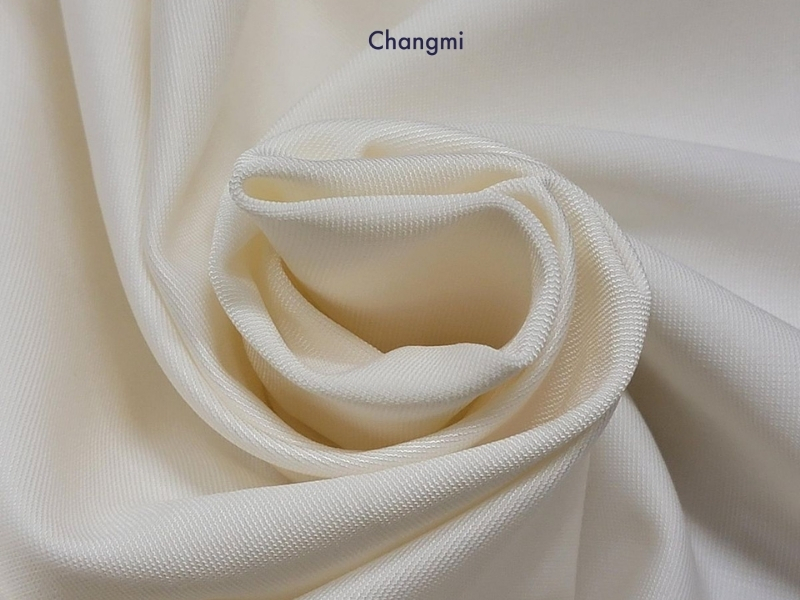
Characteristics of Viscose Fabric
Nhờ xuất phát từ cellulose tự nhiên, vải Viscose có nhiều nét giống vải lụa, vải cotton hay vải tencel nhưng lại dễ gần hơn về giá.
- Excellent moisture-wicking: Viscose has exceptional sweat-wicking properties, even outperforming cotton, which helps keep the wearer feeling dry and cool in hot weather.
- Soft, smooth, and highly drapeable: The fabric has a smooth, silky surface that feels comfortable against the skin, much like silk. Viscose has a natural drape, giving garments a flowing, ethereal silhouette.
- True color and colorfastness: Viscose fibers are highly dye-receptive, producing vibrant, vivid colors that do not fade quickly with use.
- Không bị tĩnh điện: Khác với các loại vải tổng hợp hoàn toàn (như vải polyester), Viscose không tích điện tĩnh, giúp trang phục không bị dính sát vào cơ thể gây khó chịu.
The Viscose Fabric Manufacturing Process
Although it is derived naturally from wood pulp, the production process for viscose (rayon) fabric requires complex chemical treatments to recreate the fiber structure. Here are the four basic steps in this process:
Step 1: Processing the raw materials
Wood pulp from various tree species (such as oak, pine, eucalyptus, bamboo, etc.) is ground into small particles and soaked in a strong alkaline chemical solution (typically sodium hydroxide) to remove impurities. This process helps isolate and extract pure cellulose. The cellulose mixture is then compressed to remove excess water, pulverized, and left to ferment for a specific period of time.
Step 2: Prepare the viscose solution
After fermentation, the cellulose pulp is treated with the chemical carbon disulfide to convert it into cellulose xanthate. This mixture is then dissolved in a dilute alkaline solution. The result of this reaction is a thick, viscous, honey-colored liquid—this is the viscose solution.
Step 3: Extrusion (Extrusion Process)
The viscose solution is thoroughly filtered to completely remove air bubbles and undissolved impurities. Next, this liquid is pumped at high pressure through a spinneret with countless tiny holes, directly into a tank containing an acid solution. When the viscose solution comes into contact with the acid, it solidifies immediately, converting the cellulose into strong, rigid fibers.
Step 4: Finishing and Weaving the Fabric
The freshly spun viscose fibers are then washed to remove chemicals, bleached, and dried to enhance durability and ensure safety for users. Finally, these fibers are carded, spun into yarn, and woven into soft, lustrous viscose fabrics for the market.
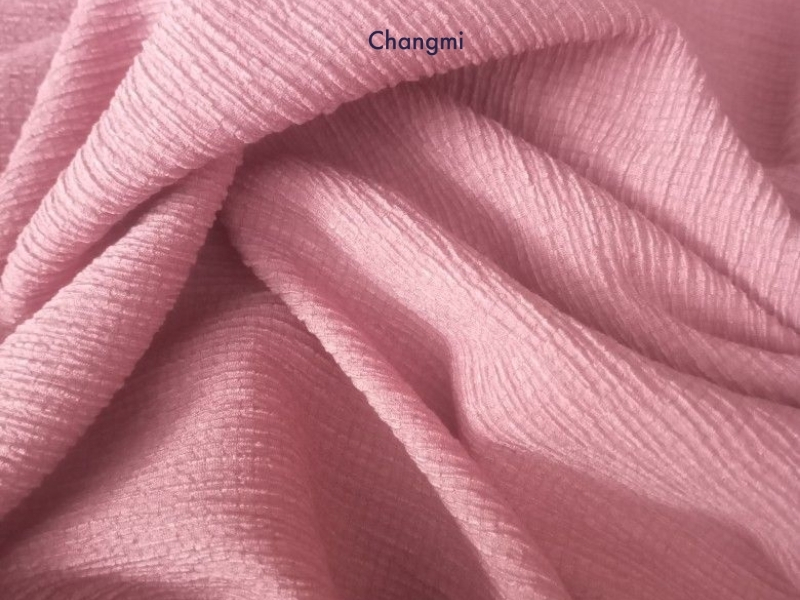
Common types of viscose fabric used today
Depending on the processing and modification of the fibers, viscose comes in various forms, each with its own unique properties, making it suitable for specific applications.
Standard 100% viscose fabric
Standard viscose fabric is very soft, drapes well, is breathable, and has a subtle sheen, but it wrinkles easily and loses its shape when wet. Therefore, it should be washed gently and not wrung out vigorously. This fabric is often preferred for loungewear, flowing dresses, and mid-range bedding sets.
HWM Rayon (High Wet Modulus) – HWM Viscose
HWM rayon (High Wet Modulus) is an improved version of viscose with superior wet strength. While retaining the soft drape and excellent moisture-wicking properties of standard viscose, this fabric is less prone to fiber weakening when wet, allowing for easy machine washing and tumble drying, much like cotton.
High-strength viscose fabric / Industrial viscose
These are viscose blends optimized for technical performance: enhanced durability, reduced shrinkage, and improved dimensional stability, designed to meet industrial and technical requirements. They offer increased strength and wet strength in manufacturing environments while minimizing deformation, making them suitable for technical fabrics, linings, and reinforcing materials in industrial applications.

Advantages and disadvantages of using viscose fabric
Like any fabric, viscose offers a balance of pros and cons that you should be aware of before making your choice.
Advantages of viscose fabric
Viscose (rayon) fabric is very popular because it offers a wide range of outstanding benefits, particularly its exceptional comfort when worn.
- It wicks away sweat better than cotton, keeping you dry and comfortable on hot days
- The surface is smooth and silky to the touch; it drapes beautifully and flows gracefully.
- Easy to apply, producing vibrant, sharp colors that last a long time
- Does not generate static electricity that causes clothing to cling to the body, unlike nylon or plastic fabrics
- Extremely versatile for blending with spandex, cotton, polyester, and other materials, enhancing elasticity and durability
Disadvantages of viscose fabric
In addition to its excellent qualities, viscose (rayon) fabric also has certain limitations that require users to take special care during maintenance and storage.
- It wrinkles easily, so you’ll need to iron it frequently
- The fabric fibers weaken and are prone to stretching or tearing if washed or wrung out vigorously
- Very sensitive to heat; may lose its shape if washed in hot water or dried at high temperatures
- Usually requires dry cleaning or gentle hand washing in cold water
- It is prone to developing black mold and a foul odor if stored in a damp place or not dried thoroughly
Practical Applications of Viscose Fabric
Thanks to its combination of aesthetic appeal and comfort, viscose is widely used in everything from fashion and home furnishings to various industrial sectors.
Applications in fashion
Thanks to their smooth texture and excellent color retention, viscose products typically feel both elegant and comfortable. In fashion, viscose is a popular choice for:
- Dresses, skirts, shirts, and blouses require a beautiful drape and flow
- Loungewear, pajamas, and sleepwear should be soft, breathable, and comfortable
- Một số loại vải satin, crepe, twill sử dụng sợi Viscose để tăng độ bóng, độ rũ
Industrial applications
In addition to the apparel and furniture industries, viscose fabric (particularly high-strength viscose fibers or nonwoven fabrics) also has many important applications in the industrial and medical sectors.
- Manufacturing of gauze, medical cotton, face masks, and surgical gowns
- Used to make wet wipes, diapers, and sanitary pads (non-woven fabric) thanks to their excellent absorbency
- Used as tire cord (due to its heat resistance) for high-performance tires
- Manufacturing of transparent wrapping film (cellophane), filter membranes, strapping, and industrial conveyor belts
Applications in interior design and bedding
In the home furnishings and bedding sector, viscose is used for bed sheets, pillowcases, and lightweight blankets in the mid-range market, where soft, cool, and vibrant fabrics are desired. Additionally, viscose is used for sofa upholstery, curtains, tablecloths, and other items when drape, sheen, and a pleasant texture are required.
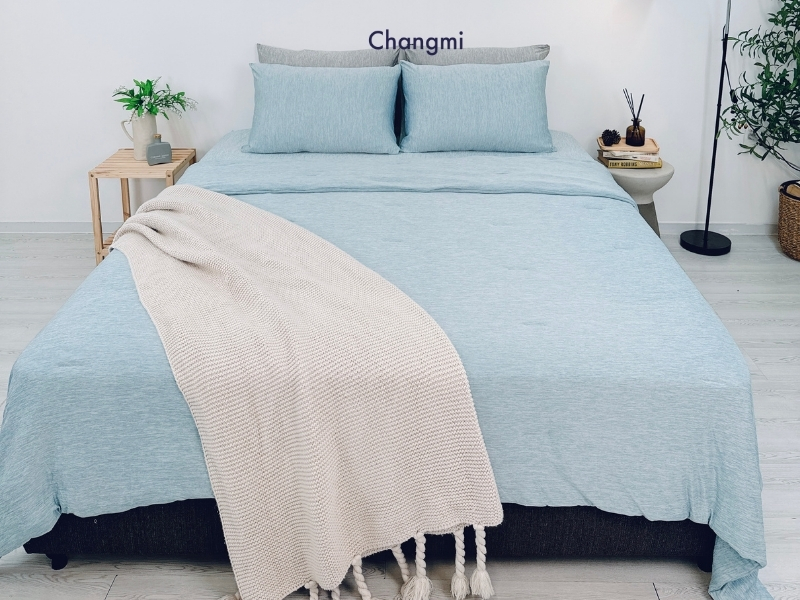
How to Care for and Maintain Viscose Fabric to Keep It Looking Its Best
To help viscose fabric retain its soft drape, color, and minimize wrinkles, proper care and maintenance are essential.
- Gentle wash, use cool water: Wash at a low temperature or in cold water; avoid using water that is too hot, as it can weaken the fibers and cause them to lose their shape.
- Avoid vigorous wringing: For standard viscose, use a gentle spin cycle, or wring by hand and gently squeeze out the water, avoiding twisting the fabric vigorously while it is wet.
- Use a mild detergent: Choose a gentle detergent that doesn’t contain too many harsh chemicals to protect the fabric fibers and colors.
- Soft and skin-friendly: The smooth fabric surface minimizes irritation, making it ideal for those with sensitive skin or children.
- Ironing: Most Kate fabrics are wrinkle-resistant; if ironing is necessary, use a medium heat setting and iron on the reverse side to protect the color and fabric surface.
Tips for Using Viscose Fabric
When considering viscose fabric for clothing, home furnishings, or bedding, there are a few additional points to keep in mind to enhance your experience.
- Viscose feels very comfortable; when choosing bedding for long-term use, consider its durability and your family’s laundry habits.
- Pure viscose has a drapey, soft feel but requires careful care, whereas HWM viscose or viscose blends are a more practical choice for busy families because they’re durable and easier to care for when washing.
- If your living space is damp and lacks sunlight, prioritize methods for airing out, drying, and cleaning to keep fabrics dry at all times, and avoid prolonged exposure to moisture, which can cause fabrics to deteriorate quickly.
Frequently Asked Questions About Viscose Fabric
1. What is 100% viscose fabric?
100% viscose is a fabric made entirely from recycled cellulose fibers derived from natural wood pulp, with no added fibers such as polyester or spandex.
2. Does viscose fabric wick away sweat?
Viscose fabric wicks away sweat very effectively; in fact, its moisture-wicking ability is even greater than that of cotton, providing an extremely cool and breathable feel.
3. Does viscose fabric wrinkle easily?
Viscose fabric is highly prone to wrinkling due to the low elasticity of its fibers, causing creases to quickly form on the fabric’s surface after washing or during movement.
Viscose fabric is a blend of cotton and polyester that strikes a balance between durability, breathability, wrinkle resistance, and affordability, making it ideal for uniforms and everyday wear. Message Changmi Bedding today to get the perfect new bedding set for your bed! Here, we offer a wide variety of carefully curated bedding sets—from materials to patterns—designed to safely and reliably enhance the quality of your sleep!