

Kate fabric is a familiar name when it comes to uniforms, shirts, or everyday clothing thanks to its balance of durability, breathability, and affordability. If you’re wondering what Kate fabric is and whether you should choose it for bedding, Changmi Bedding will help you understand Kate fabric—from its composition and pros and cons to how to use and care for it.
What is Kate fabric? Composition and basic characteristics
Kate fabric is an extremely popular synthetic fabric in the apparel industry, woven from a blend of two types of fibers: cotton (natural fiber) and polyester (synthetic fiber). Thanks to this combination, Kate fabric inherits the outstanding advantages of both fibers, resulting in a material that is both durable and comfortable. Some basic characteristics of Kate fabric:
- Softness: Softer than pure polyester fabric, but stiffer and holds its shape better than 100% cotton.
- Breathability and moisture-wicking: Offers decent sweat-wicking performance and is suitable for hot, humid climates if the fabric has a high cotton content.
- Durability and wrinkle resistance: Fairly durable, less prone to wrinkling than 100% cotton, retains the shape of garments well, especially in environments with frequent washing, such as uniforms.
- Surface: Smooth, suitable for printing or embroidering logos and patterns; resists shrinking even after multiple washes when properly cared for.
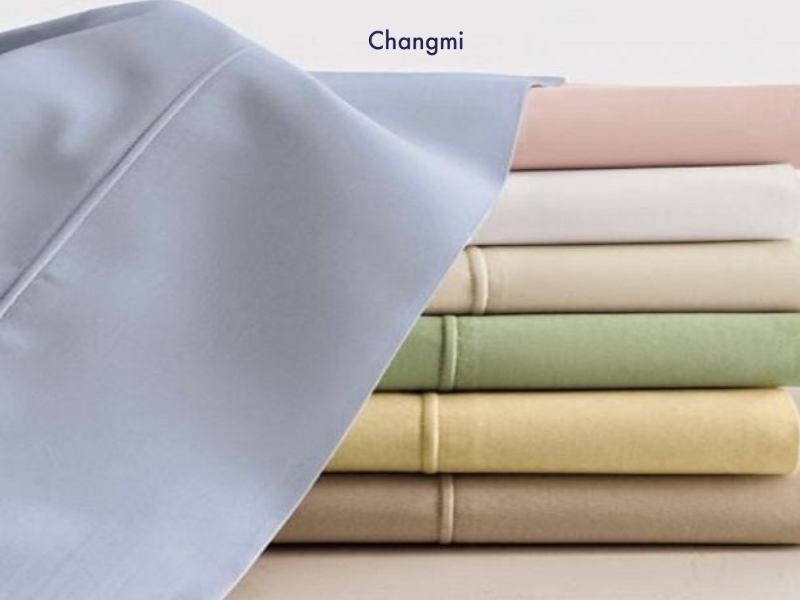
Classification of Common Kate Fabrics on the Market
In fact, Kate fabric isn’t limited to a single type; it is divided into various lines with different fiber blends, weaving techniques, origins, and surface finishes, each offering a unique texture and level of suitability for specific applications.
Kate silk fabric
Silk-blend Kate fabric is a type of Kate fabric made from a blend of polyester and cotton in a specific ratio, giving it a subtle sheen and a smoother, silkier feel compared to standard Kate fabric. Thanks to its high polyester content, silk-blend Kate fabric offers excellent colorfastness, is wrinkle-resistant, and retains its shape well, while the cotton in the fibers ensures the fabric remains breathable and soft.
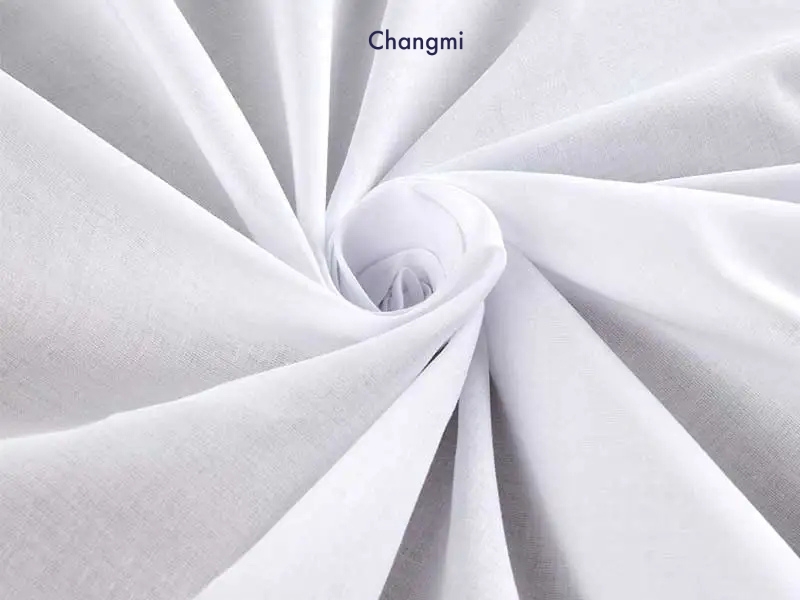
Kate Polin Fabric
Kate Polin is a type of Kate fabric with a relatively high thread count and a tightly woven surface, resulting in a structured, stiff silhouette that holds its shape well when used for clothing. Thanks to this structure, Kate Polin fabric is popular for uniforms or office shirts that need to retain their shape, resist wrinkles, and maintain a neat appearance throughout the day.
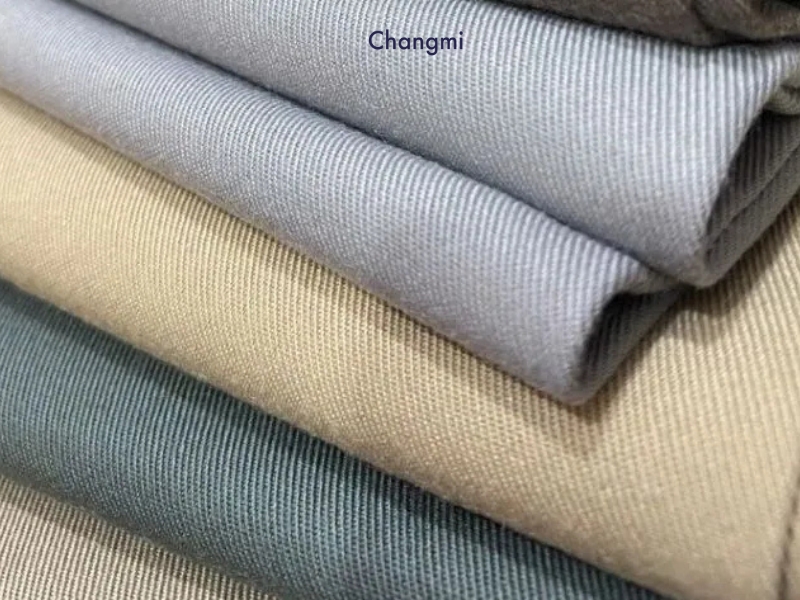
Kate Ford Fabric
Kate Ford is a variant of Kate fabric woven with a finer, lighter yarn structure than Polin, and is often chosen for everyday shirts. Kate Ford fabric feels softer and slightly more breathable, yet retains the benefits of being wrinkle-resistant, colorfast, and maintaining its shape relatively well.
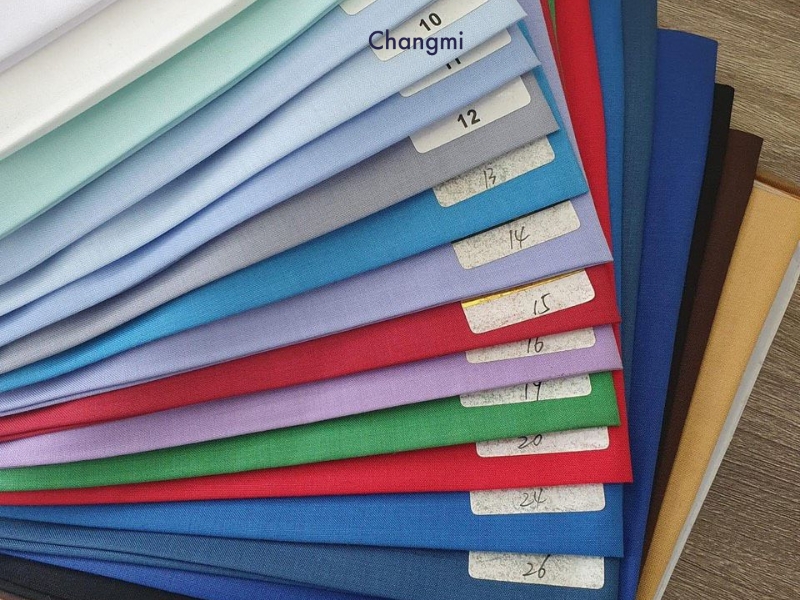
Striped Kate fabric / Checkered Kate fabric
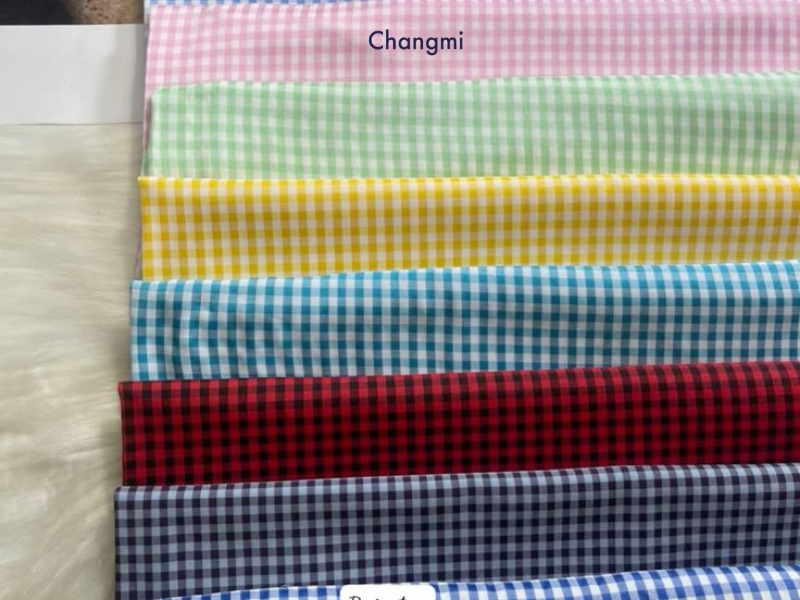
These Kate fabrics feature stripe or check patterns woven directly into the fabric structure, rather than simply printed on the surface. They are commonly used in school uniforms and office attire that require subtle patterns while maintaining a structured silhouette.
Korean Kate fabric
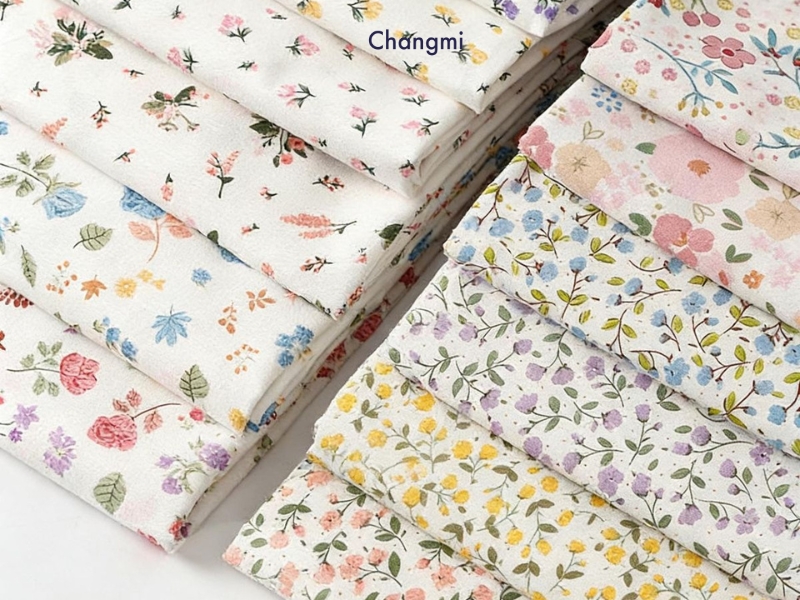
Korean Kate fabric is a type of Kate fabric that originates from or utilizes finishing technology from South Korea. It is often highly regarded for its smooth texture and relatively sleek, even finish. The blend of cotton and polyester is carefully balanced to create a fabric that is quite thin, lightweight, and breathable, making it ideal for hot weather.
Thai Kate Fabric
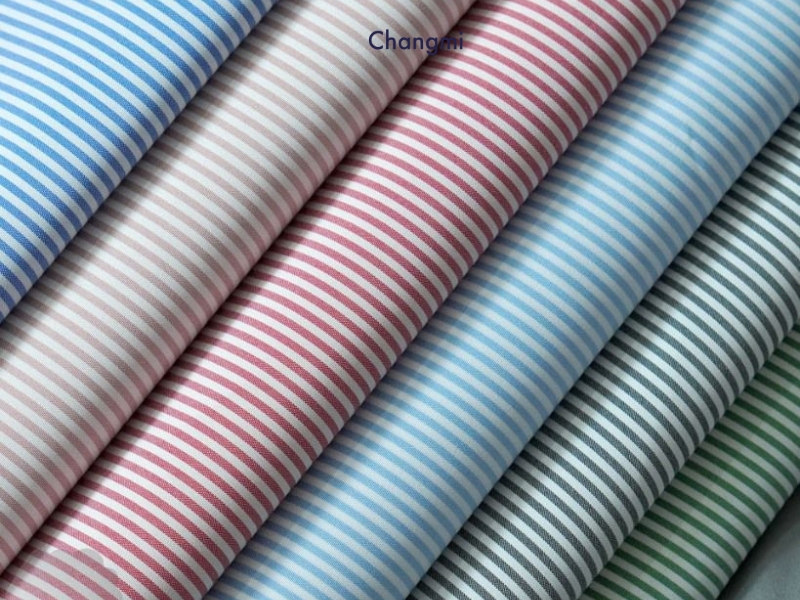
Thai Kate is a type of Kate fabric originating from Thailand or manufactured to Thai standards. It typically features a relatively balanced blend of cotton and polyester, offering a cool feel and good moisture-wicking properties. Thai Kate fabric is thin, lightweight, breathable, and highly absorbent, making it ideal for summer shirts and uniforms.
American Kate fabric
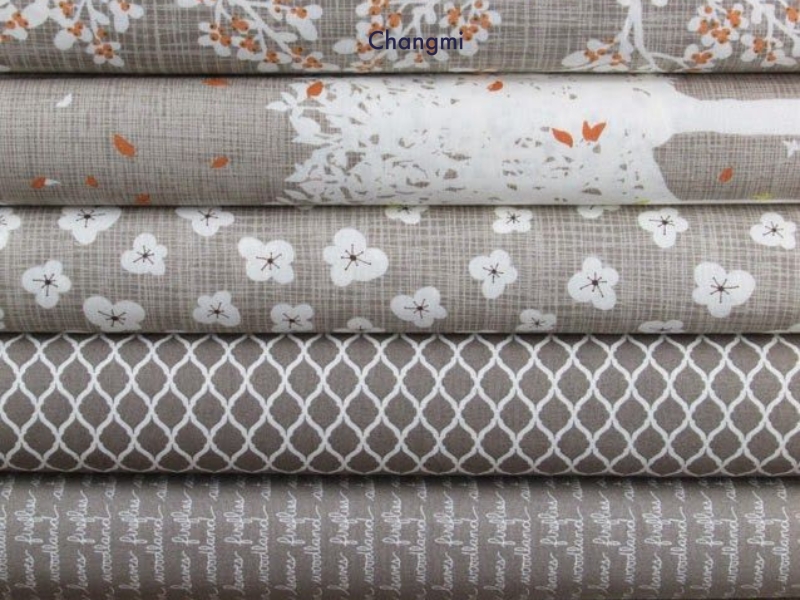
"American Kate" fabrics are generally understood to refer to Kate fabrics that are either sourced from or meet U.S. standards, with an emphasis on fiber durability and finish quality. Thanks to strict quality control over the cotton and polyester used, American Kate fabrics tend to be durable, resistant to pilling, and retain their color well over time.
Comparison Chart of Different Types of Kate Fabric
Below is a comparison table of the various characteristics of popular Kate fabrics; you can use it as a reference to help you make a more informed choice.
| Kate fabric | Softness/Comfort | Breathability, moisture-wicking | Wrinkle depth | Popular apps |
| Kate usually | Average | Average to good | Less prone to wrinkling than 100% cotton | Uniforms, basic shirts |
| Kate Silk | Soft and smooth | Average | Very few wrinkles | Shirts, office wear, high-end uniforms |
| Kate Polin | Cứng, đứng form | Average | Very few wrinkles | Shirts, office wear, high-end uniforms |
| Kate Ford | Softer than Polin | Average to good | Less wrinkles | Shirts, everyday clothing |
| Kate stripes/checkered | Average | Average to good | Less wrinkles | School uniforms, casual shirts |
| Kate Korea | Soft, smooth | Quite airy | Less wrinkles | Shirts, uniforms, light dresses |
| Kate Thailand | Moderately soft, thin and lightweight | Breathable, excellent moisture-wicking | Less wrinkles | Summer shirts, uniforms |
| Kate from the U.S. | Soft – medium | Quite airy | Minimal wrinkles, colorfast | Shirts, high-end uniforms |
Advantages and disadvantages of using Kate fabric
Kate fabric is popular precisely because of its balance between user experience and cost, but it does have certain limitations when compared to higher-end natural fabrics.
Key Benefits of Kate Fabric
With its perfect blend of cotton and synthetic fibers, Kate fabric addresses most clothing concerns thanks to the following properties:
- High durability, resistant to pilling and fuzzing, withstands frequent machine washing without significant distortion, making it suitable for daily use and uniform settings.
- Less prone to wrinkles than 100% cotton, saving you time on ironing, and maintaining a neat, crisp look all day long—whether you’re working or studying.
- It has decent sweat-wicking capabilities, providing a relatively dry and breathable feel if the cotton content is high enough and the design is appropriate.
- The fabric is easy to print on, embroider, and emboss with logos; it comes in a wide range of colors and is more affordable than premium fabrics such as Tencel, Lyocell, or Supima.
Drawbacks of Kate fabric to consider before purchasing
Although Kate fabric has many excellent qualities, it still has certain limitations. Here are some points to consider before making your decision:
- It isn’t as cool or as soft as fabrics made entirely from natural fibers, such as 100% cotton, Tencel, or Lyocell; when worn in extremely hot weather, people who are sensitive to heat may find it a bit stuffy.
- Depending on the polyester content, some Kate fabrics may feel slightly rough against sensitive skin, making them less than ideal for people with sensitive skin or young children.
- Absorbency and breathability are only average to good, so this isn’t the best choice for high-end bedding that requires a cool, soft feel against the skin.
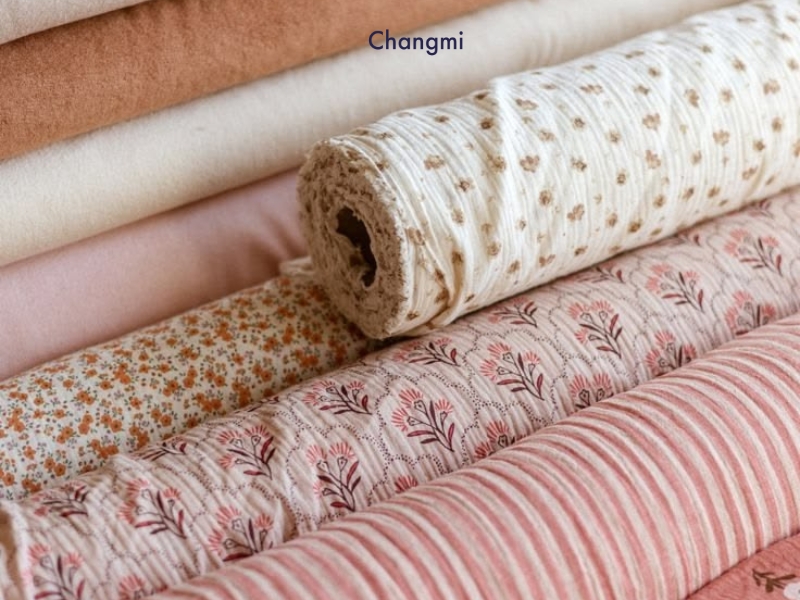
How to Choose the Right Type of Kate Fabric for Each Practical Application
Depending on the intended use (uniforms, everyday wear, or bedding), you should choose a Kate fabric with the appropriate fiber composition and thickness to strike a balance between durability and comfort.
Custom-made uniforms for students, office workers, and factory workers
When it comes to uniforms, the most important criteria are durability, wrinkle resistance, ease of washing, and the ability to retain their shape, given the high frequency of use and laundering. To meet these requirements, you may want to consider Kate Polin or Kate Ford, as these fabrics are thick, hold their shape well, and withstand machine washing, while remaining ideal for school or office environments.
Sewing shirts, loungewear, and pajamas
If you’re looking for a refined, smooth, and wrinkle-resistant fabric for office shirts or neat loungewear, silk Kate is an ideal choice. Meanwhile, Kate Ford and Kate Thai stand out for being much lighter and more breathable than Kate Polin, making them perfect for shirts and pajamas while still ensuring long-lasting durability.
Applications in bedding
In the bedding industry, Kate fabric is commonly found in the affordable price range, emphasizing durability and ease of care, making it ideal for dorm rooms, hostels, rental properties, or cost-conscious customers. However, if you’re seeking a gentle, cool, and smooth sleeping experience that’s safe for sensitive skin, materials like 100% cotton, Tencel, Lyocell, or cotton sateen are generally considered superior.
Care Instructions for Colorfast, Low-Pilling Kate Fabric
To help Kate fabric retain its shape, maintain its color, and minimize pilling, you can follow a few simple guidelines for washing and care.
- First wash: Wash separately using cold or cool water to set the color; avoid soaking for too long.
- Water temperature: Preferably below 40°C. Do not use water that is too hot, as it can weaken the polyester fibers and cause the color to fade quickly.
- Detergent: Avoid using strong bleach; for localized stains, treat them gently on the spot before washing with the rest of the laundry.
- Wash cycle: Select a gentle cycle and avoid excessive spinning to minimize wrinkles and fabric shrinkage.
- Drying: Dry in a well-ventilated area, avoiding prolonged exposure to direct sunlight, as this can cause the fabric to become stiff and fade more quickly.
- Ironing: Most Kate fabrics are wrinkle-resistant; if ironing is necessary, use a medium heat setting and iron on the reverse side to protect the color and fabric surface.
Tips for using Kate fabric
When deciding to choose Kate fabric for clothing or bedding, you should also consider the following points:
- Separate whites from colors, wash in cold or lukewarm water, and do not use harsh detergents.
- Always turn clothes inside out and hang them to dry in a shaded, well-ventilated area, away from direct, intense sunlight.
- Set the iron to a low or medium heat setting, and it’s best to iron on the reverse side to prevent the fabric from becoming shiny or scorched.
- Hang using a wide hanger to maintain the shape, and store in a dry closet to prevent moisture from causing black mold.
Frequently Asked Questions About Kate Fabric
1. Does silk Kate fabric wrinkle?
Kate silk fabric is very wrinkle-resistant and remains virtually wrinkle-free during use thanks to its excellent ability to retain its smooth, flat appearance.
2. How much does a meter of Kate fabric cost?
Kate fabric ranges in price from 25,000 VND to 150,000 VND per meter, depending on the type (such as Kate silk, Kate Ford, American Kate, Italian Kate, etc.)
3. Is Kate fabric soft?
Kate fabric is very soft, especially the silk Kate, Italian Kate, and American Kate varieties, which have an exceptionally smooth and breathable surface.
4. Is Kate fabric suitable for sensitive skin?
Kate fabric is perfectly suited and safe for sensitive skin thanks to its gentle, non-irritating cotton fibers.
Kate fabric is a blend of cotton and polyester that strikes a balance between durability, breathability, wrinkle resistance, and affordability, making it ideal for uniforms and everyday wear. Message Changmi Bedding today to get the perfect new bedding set for your bed! Here, we offer a wide variety of carefully curated bedding sets—from materials to patterns—designed to safely and reliably enhance the quality of your sleep!