

Brocade is a premium fabric featuring intricate patterns and a luxurious sheen. Not only does it celebrate traditional beauty, but it also adds a touch of elegance to modern living spaces. Let Changmi Bedding help you elevate your bedroom with our exclusive brocade bedding sets—contact us today for a consultation.
What Is Brocade? Characteristics, Types, and Proper Care
Brocade is a type of fabric featuring intricate patterns, in which the designs are woven directly into the fabric’s structure, creating the appearance of raised patterns on the surface rather than being simply printed or embroidered on afterward. Traditionally, brocade was woven from natural silk fibers; later, it expanded to include cotton brocade, polyester-blend brocade, viscose brocade, and others to optimize durability, cost, and versatility.
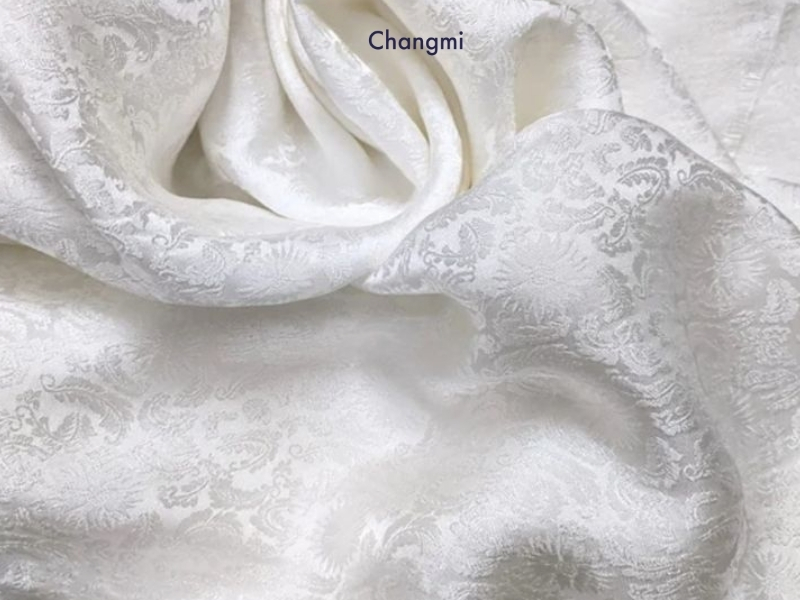
The process of weaving brocade and silk brocade
Traditional brocade is woven on a loom by highly skilled artisans; each pattern is the result of a delicate interplay between colors and weaving techniques. Today, with the advancement of Jacquard technology, many modern brocades are woven on machines programmed with pre-set patterns, enabling the creation of rich designs while reducing time and costs, yet still preserving the fabric’s textural depth.
- Yarn preparation and dyeing: Premium silk yarn is carefully selected and dyed before weaving to ensure the deepest color, maximum durability, and a natural luster.
- Design and Shedding: Artisans create patterns and set up the Jacquard loom. This system controls the raising and lowering of individual warp threads to create raised and recessed patterns.
- Relief weaving: The weaver meticulously interlaces weft threads of different colors with the warp threads. The rhythmic alternation of weaving patterns creates a distinct three-dimensional texture on the fabric’s surface.
- Inspection and Finishing: The fabric is thoroughly inspected to remove any loose threads, then surface-treated and pressed to bring out the brocade’s lustrous and elegant beauty.
Key features of brocade fabric
When it comes to brocade, people often immediately think of its raised patterns and its thick, luxurious feel. Depending on the composition (silk, cotton, polyester, etc.), the texture may feel soft, cool, or slightly stiff and porous, but overall, it retains the formal and striking essence of brocade.
- Distinctive, textured patterns: The patterns are woven directly into the fabric, making them both durable and featuring an attractive raised and recessed texture that creates a luxurious, classic effect that few other materials can replicate.
- Heavyweight, substantial texture: Most brocade fabrics have a high thread count and a slightly stiff texture, which helps garments or upholstery retain their shape well.
- High durability: particularly suitable for cotton brocade, polyester-blend brocade, and fabrics that are highly abrasion-resistant and resistant to fraying and tearing, making them ideal for mattress covers, sofas, curtains, and bedspreads.
- Aesthetic appeal rooted in culture: Brocade is deeply steeped in tradition and is often associated with formal occasions, festivals, and weddings.

Common types of brocade fabrics on the market
Today, there is a wide variety of brocade fabrics, which differ in composition, texture, softness or stiffness, and applications.
Silk brocade / brocade silk
Silk brocade fabric (silk brocade) typically uses a base of silk or silk-like fibers (such as silk, viscose, or specially treated polyester), woven with raised or recessed patterns on the surface. Compared to cotton brocade or blended brocade, silk brocade is more breathable and comfortable against the skin than thick polyester-blend brocades, making it suitable for ao dai, evening gowns, robes, and high-end lightweight blankets.

Embroidered brocade fabric
Embossed brocade is a type of brocade featuring distinct, raised patterns on the fabric’s surface; when touched, you can feel the difference in thickness between the background and the design. This fabric is ideal for garments that require 3D pattern accents, such as formal wear, ao dai, and wedding dresses.

Embroidered brocade fabric
Unlike raised-pattern brocade, embossed brocade features designs that create a more subtle effect; the patterns do not protrude noticeably but are primarily revealed through changes in light and the sheen of the surface. This type of brocade is ideal for customers who appreciate luxury that is understated, elegant, and unostentatious.
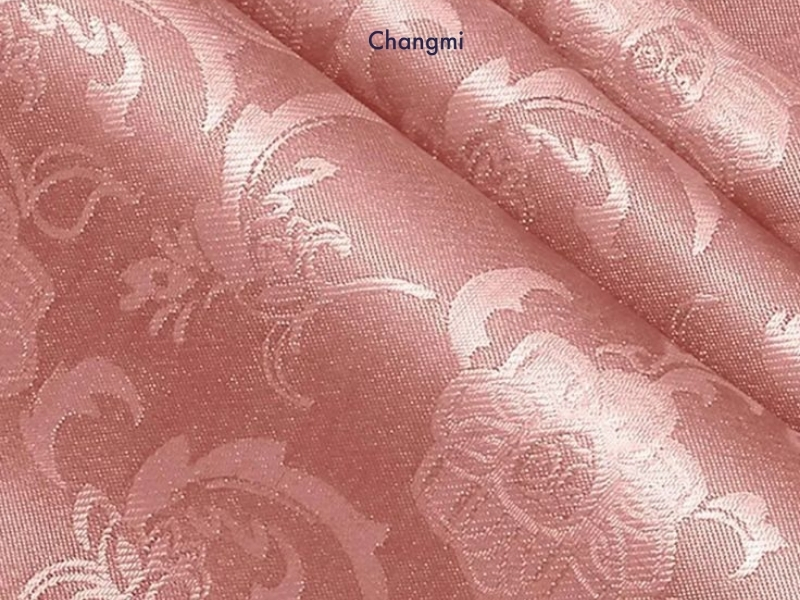
Solid-color brocade fabric
Solid-colored brocade typically features few or no intricate patterns, focusing instead on a thick, slightly lustrous weave, sometimes with only very subtle textural variations. This style is ideal for garments that require a thick, structured fabric but do not call for elaborate patterns.
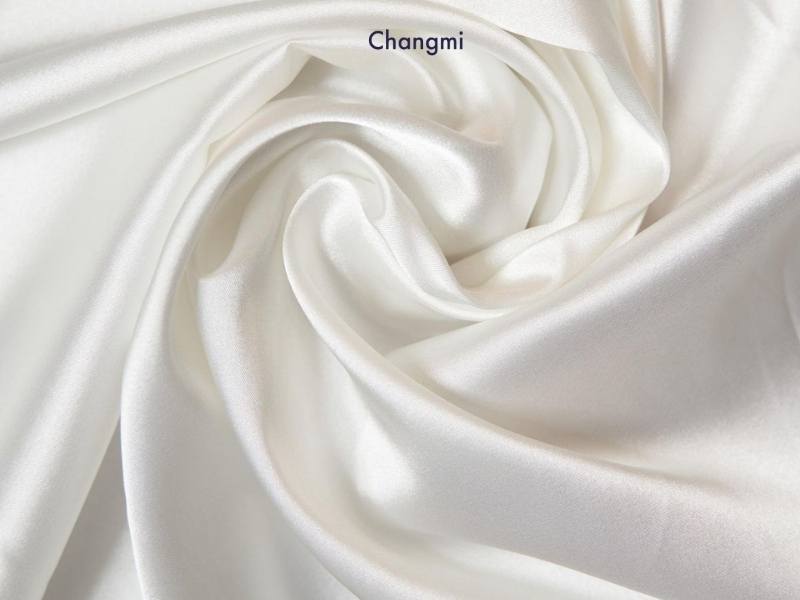
Stiff brocade fabric
Stiff brocade typically refers to thick, high-density brocades that may contain a significant amount of polyester or synthetic fibers, giving them a stiff, non-drapey feel. Its advantages include excellent shape retention, making it suitable for jackets, tailored-fit ao dai, padded jackets, and curtains requiring volume or a defined silhouette; its disadvantage is that the texture may not feel as soft and smooth as silk satin.

Sponge velvet
Puffy brocade fabrics are types of brocade with a slightly puffed fiber structure; they feel slightly spongy to the touch and contain air within the fabric structure, creating thickness without being too heavy. This type is suitable for mattress covers, sofa covers, and bedspreads designed to provide a soft, plush feel.

Taffeta fabric
Taffeta brocade is a combination of the brocade weave structure and the characteristics of taffeta—a smooth, slightly stiff, lustrous fabric commonly used for wedding dresses and evening gowns. Because its raised or recessed patterns add depth to garments, it is ideal for formal wear and stage costumes.
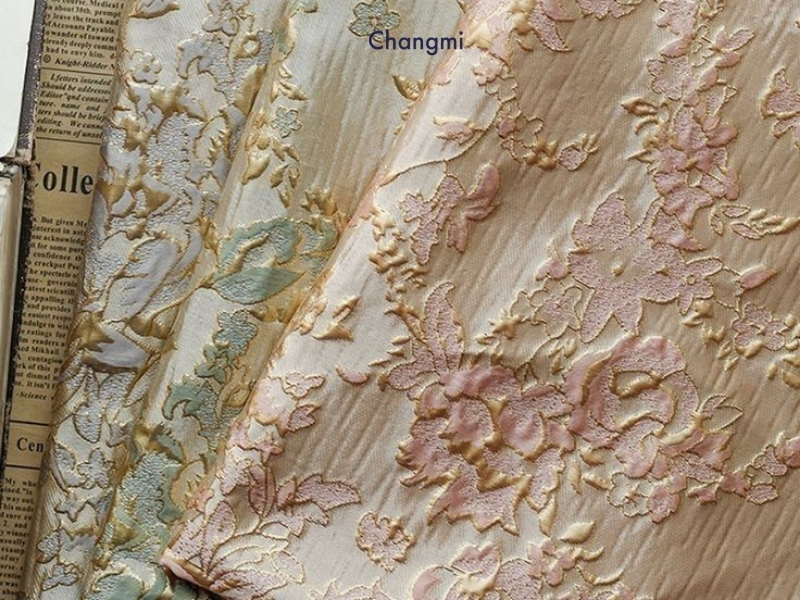
The Pros and Cons of Using Brocade Fabric
Compared to plain, simple fabrics, brocade always stands out aesthetically, but it also comes with certain requirements for use and care.
Advantages of brocade fabric
Brocade has long been regarded as the king of fabrics thanks to its outstanding qualities in both aesthetics and quality:
- Luxurious, elegant aesthetics: Patterns are woven directly into the fabric’s structure, creating a subtle, intricate texture that exudes regal beauty and high-end sophistication.
- Extremely durable: Thanks to its tightly woven weave, brocade fabric is typically thick and durable, and does not fray, tear, or fade quickly even after prolonged use.
- Vibrant, long-lasting colors: The pre-weaving dyeing process gives the brocade deep, vibrant colors that retain their vibrancy exceptionally well, even after numerous washes.
- Excellent shape retention: Thanks to its thick, tightly woven fibers, brocade fabric rarely sags or loses its shape, helping garments and bedding maintain a neat and polished appearance.
- Unique light-reflecting effect: The brocade surface has a natural sheen, creating a subtle, shimmering iridescent effect when light hits it from different angles.
The drawbacks of brocade fabric
Although it has a powerful and luxurious appearance, brocade is also known as a fabric that can be quite difficult to work with, and there are some drawbacks you should be aware of:
- Difficult to care for and wash: Most brocade fabrics (especially silk brocade) should only be dry-cleaned. If machine-washed or scrubbed vigorously, the delicate weave will be damaged, causing the fabric to lose its luster and deteriorate quickly.
- Prone to snagging: Even a single snag from jewelry, fingernails, or a pet can cause the fabric to fray, ruining the entire look of the surface.
- Poor absorbency and slow drying: Because the weave is extremely dense, brocade fabric tends to retain water for a long time after washing. If not dried in a dry, well-ventilated area, the fabric is prone to developing a musty odor.
- Quite warm and stiff: This can sometimes feel suffocating, making it unsuitable for wearing in scorching heat or for those with very sensitive skin.
Practical Applications of Brocade Fabric
With its elegant beauty and exceptional durability, brocade fabric is widely used in many areas of life, from traditional clothing to modern interior design:
Fashion Apparel
Silk brocade is popular in high-end designs, prized for its soft feel against the skin and moderate drape, while blended brocade and taffeta are suitable for garments requiring a structured silhouette and a bold, dramatic look.
- Ao dai, wedding dresses, evening gowns, women’s blazers, coats, skirts… require elegance and a well-defined silhouette.
- Performance costumes, traditional attire, and religious vestments, thanks to their intricate patterns and rich colors.
Interior Design
Some bedding manufacturers use brocade fabric for mattress covers and spring mattress covers to enhance the luxurious feel, add a decorative touch, and ensure durability over time.
- Mattress covers, sofa covers, and wooden chairs, thanks to their durability and ability to retain color and shape.
- Curtains, bedspreads, headboard covers, and decorative pillows in classic or neoclassical styles.

Care and Maintenance Guide for Brocade Fabric
For cushion covers, sofa covers, and brocade bedspreads, you should vacuum and wash them regularly according to the manufacturer’s instructions to minimize dust and mold buildup while preserving the fabric’s structure. Proper washing and care are essential for ensuring that brocade fabric retains its lustrous beauty over time.
- Read the instructions carefully: For silk brocade and high-quality silk fabrics, many manufacturers recommend dry cleaning or gentle hand washing; avoid machine washing.
- Hand wash gently: Use cold or cool water and a mild detergent. Do not rub vigorously or wring out the fabric to prevent the fibers from shifting, wrinkling, or losing their shape.
- Avoid soaking for long periods: Soaking in detergent for too long can cause fading and affect the pattern and surface sheen.
- Dry in a cool, shaded area: Avoid prolonged exposure to direct sunlight, as high temperatures can cause the fabric to become stiff and fade; lay flat or hang on a wide hanger to maintain its shape.
- Iron on the correct side and at the correct temperature: if ironing is necessary, iron on the reverse side using a medium heat setting; you may place a thin layer of fabric between the iron and the fabric to prevent sheen or scorching.
Frequently Asked Questions About Brocade Fabric
1. How much does a meter of brocade fabric cost?
The price of brocade ranges from about 100,000 VND per meter for synthetic-blend brocades to several million VND per meter for high-end handmade silk brocades.
2. How does silk brocade differ from regular silk?
Silk brocade differs from regular silk in that its patterns are woven directly into the fabric’s structure, creating an intricate raised and recessed effect, while the fabric is thicker and holds its shape better.
3. Is brocade fabric hot to wear?
Brocade fabric can feel slightly hot and stuffy due to its very dense weave, especially in brocades that contain a high percentage of synthetic fibers such as polyester.
Brocade fabric is a material that embodies the essence of traditional brocade, featuring intricate woven patterns and a thick, luxurious texture, making it ideal for formal wear, interior design, and products that require an aesthetic focal point. Contact Changmi Bedding today for expert advice on high-quality brocade products!