

Satin fabric is one of the most striking materials at first glance. However, not everyone fully understands what satin fabric is, what it is made from, and why, despite all sharing the name ‘satin’, some types feel very cool whilst others feel hot when worn. This article from Changmi Bedding will help you gain a full and accurate understanding of satin fabric, so you can choose the product that best suits your actual needs.
What is satin fabric?
Satin is not the name of a specific type of fabric, but rather the name of a special weaving technique known as the satin weave. In this technique, the warp and weft threads are interlaced in a pattern where four warp threads cover one weft thread, creating a fabric surface with a distinctive sheen, smoothness and lustre.
As a result, satin fabric always has two distinctly different sides: the front is smooth and lustrous, whilst the reverse is rough, matt and less shiny. It is this structure that sets satin apart from conventional weaves such as plain weave or twill weave.
An important point to bear in mind is that satin can be made from a variety of fibres, such as silk, polyester, cotton and viscose, and the characteristics of each type of satin depend primarily on the fibre used, not simply on the weaving technique.
The origins of satin fabric
Satin has a history spanning over 800 years and originated in China. Around the 12th century, in the famous port city of Quanzhou (Tuyền Châu), people began producing a smooth, lustrous fabric from silk and named it after the city: ‘Zaitun’, the root of the word ‘satin’ in modern English and French.
From China, satin spread along the Silk Road to the Arab world and then to Europe, becoming a symbol of luxury and nobility during the Middle Ages and the Renaissance. Only the nobility and royalty could afford to wear pure silk satin.
It was not until the 20th century, with the advent of synthetic fibres such as polyester and nylon, that satin became more widely available across all market segments, no longer the preserve of the upper classes.

Common types of satin fabric today
Depending on the fibre material and intended use, satin fabrics now come in many varieties, each with different characteristics and applications. Below are the most common types you will find on the market.
Silk satin
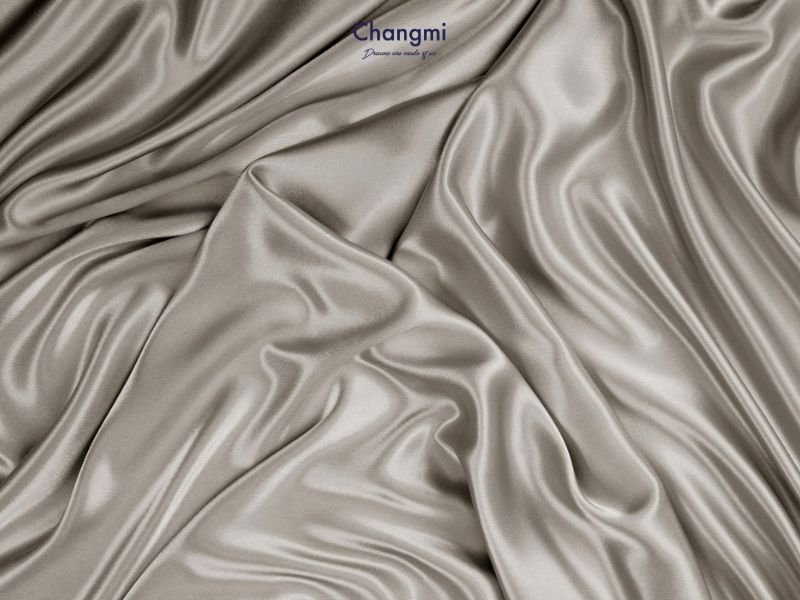
This is the original and finest grade of satin, woven from 100% natural silk fibres. Silk satin has a subtly lustrous, naturally shimmering surface; it is exceptionally soft and lightweight, whilst offering excellent temperature regulation thanks to the properties of silk.
This is also the most expensive type of satin and requires careful care: hand wash, dry in the shade, and avoid high temperatures. Silk satin is often used in high-end clothing, luxurious nightwear and fashion accessories.
Polyester satin
Polyester satin is the most common type on the market today, made from synthetic polyester fibres woven using a satin weave technique. The advantages of this type include its low cost, durability, good wrinkle resistance, and a wide range of vibrant colours. However, polyester has poor breathability, tends to trap heat and does not wick away sweat effectively, so it is not suitable for bedding for people who tend to feel hot or sweat profusely.
Satin Cotton (Sateen)
This is the most widely used satin finish in the luxury bedding industry. Sateen (or Cotton Satin) is woven from 100% natural cotton fibres using a twill weave, creating a surface that is slightly lustrous and smooth, breathable, highly absorbent and completely safe for the skin.
Unlike polyester satin, cotton sateen feels cool against the skin, wicks away sweat and offers natural antibacterial properties, making it ideal for Vietnam’s hot and humid tropical climate. It is the fabric of choice for five-star hotels worldwide when furnishing their guest rooms.
Satin Duchess
Duchess Satin is a heavier, sturdier variant of satin compared to the types mentioned above; it is made from thick polyester or silk fibres, giving it a substantial feel and excellent shape retention. The fabric has a subtle sheen and minimal drape, and is typically dyed in elegant solid colours. It is a favourite material among designers of wedding dresses and evening wear requiring a structured silhouette and even fullness.
Other types of satin fabric
In addition to the four main lines mentioned above, there are also a number of notable variants on the market:
- Crepe-back satin: can be used on both sides—the glossy satin side and the smooth crepe side—offering versatility in fashion design
- Satin Messaline: a light-coloured, soft fabric woven from silk or rayon, used in haute couture
- Satin Baronet: a blend of rayon and cotton with a beautiful sheen, commonly used in high-end clothing and bedding
- Satin Antique: the fabric has a slightly uneven, textured surface, giving it a classic look; used in interior design and vintage-style wedding dresses
The pros and cons of satin fabric
Before making a purchase, understanding both the advantages and disadvantages of satin fabric will help you make the decision that best suits your needs and living space.
The advantages of satin fabric
- A smooth, lustrous finish with high aesthetic appeal: thanks to its distinctive weaving technique, satin fabric has a naturally lustrous and elegant finish, regardless of the type of fibre used
- Soft and gentle: particularly with our silk satin and cotton sateen ranges, they feel light and smooth to the touch, like touching the surface of water
- Retains colour well: satin has excellent colour retention, with bright colours that fade minimally even after repeated washing
- Excellent wrinkle resistance: thanks to its special weave, satin fabric creases less than many other materials and retains its smooth, flat appearance with ease
- Wide range of options: satin can be produced from a variety of fibres, catering to a wide range of needs and price points, from budget to ultra-luxury
The drawbacks of satin fabric
- Prone to dust and smudges: the smooth, glossy surface makes dust and fingerprints easily visible, requiring more frequent cleaning
- Prone to snagging and creasing if not cared for properly: the loose weave of satin makes the fabric susceptible to snagging if it comes into contact with sharp objects, fingernails or is vigorously rubbed
- Difficult to sew and shape: the smooth, glossy surface makes it difficult for tailors to cut and sew, as the fabric tends to slip and is hard to keep in place
- With the polyester satin range: breathability and sweat-wicking properties are very limited; it tends to trap heat and is not suitable for hot, humid climates or sensitive skin
- Flammable: particularly in the case of synthetic satin, take care when using near heat sources or open flames
Notable uses of satin fabric in everyday life
Thanks to its aesthetic appeal and versatile properties, satin is widely used in many different areas of life.
Clothing
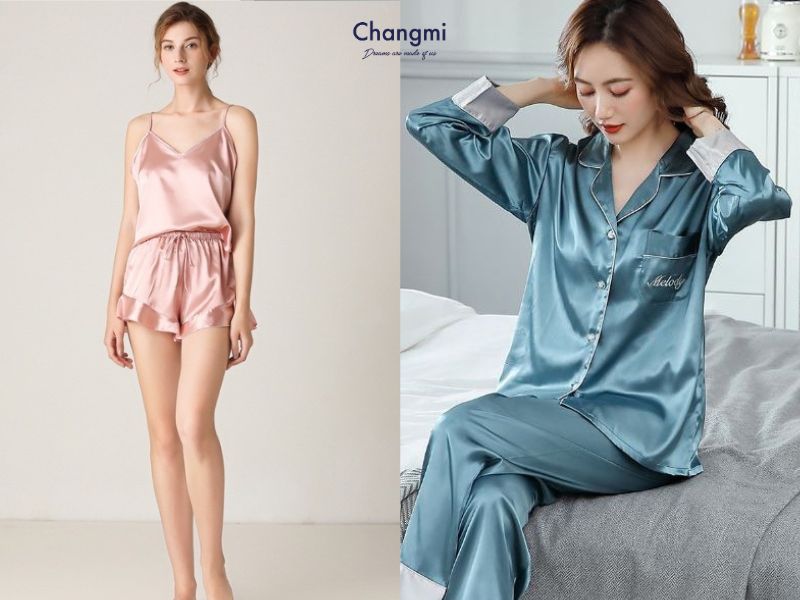
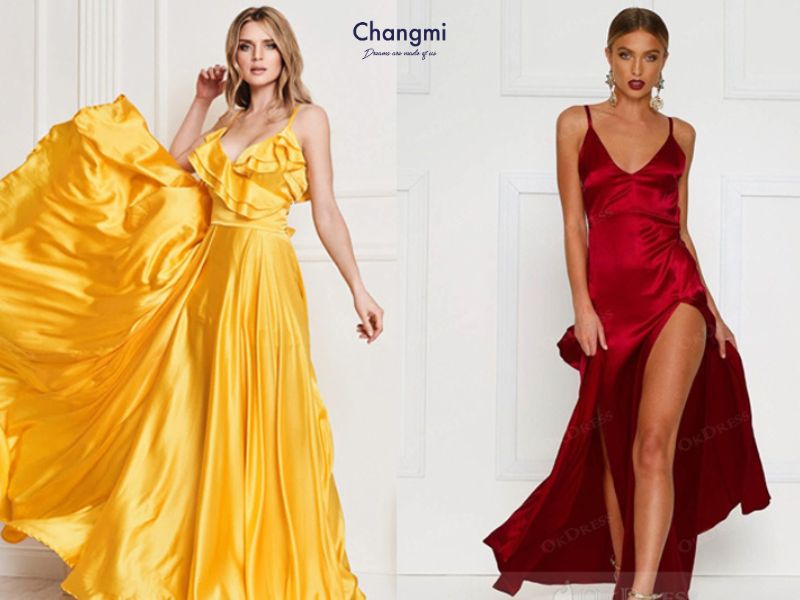
Satin has been a familiar fabric in fashion for centuries. Blouses, midi dresses, evening gowns, party wear and luxury nightwear can all be made from satin, thanks to its smooth, lustrous finish that flatters the figure and its soft, lightweight feel when worn. Silk satin and polyester satin are the two most common types used in clothing, each catering to different price points and purposes.
Wedding dress
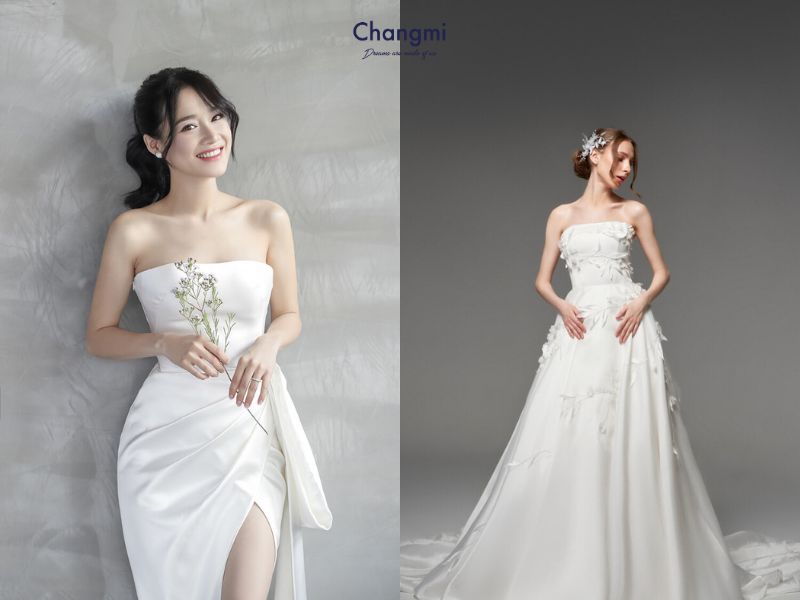
Satin fabric is synonymous with wedding dresses, from traditional to modern styles. Duchess satin is particularly popular for long, full-skirted wedding dresses due to its ability to hold its shape and give the dress a structured look. Silk satin, on the other hand, is ideal for fitted wedding dresses that are minimalist yet elegant.
The satin’s lustrous finish also helps the wedding dress look more radiant in photographs.
Interior
In the interior design industry, satin is used for curtains, sofa covers, back cushions and decorative elements in luxury bedrooms. The smooth, lustrous surface of satin reflects light softly, creating a sense of luxury and sophistication. Polyester satin and crepe-back satin are often chosen for interior design applications due to their durability and excellent colour retention.

Bedding
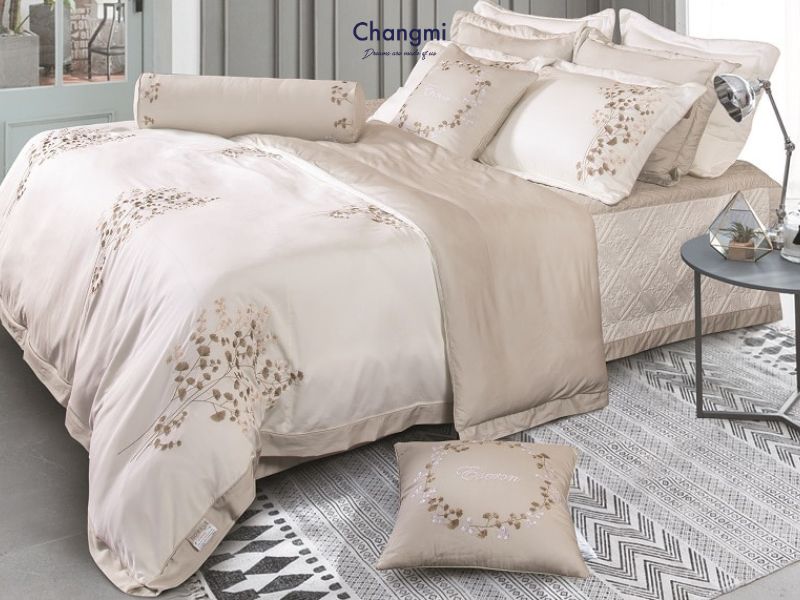
This is one of the most important areas of application for satin, particularly the Cotton Sateen range. Unlike polyester satin, Cotton Sateen is woven from 100% natural cotton fibres, offering a luxurious, smooth and lustrous surface whilst ensuring breathability, moisture-wicking properties and skin-friendliness. This is also why Cotton Sateen is chosen by most five-star hotels worldwide as the standard for their guest rooms.
Guide to effectively caring for satin fabric
Satin fabrics, particularly high-quality silk and cotton sateen, require proper care to ensure they last and retain their characteristic smooth sheen.
- For silk satin: hand wash in cold water using a mild, neutral detergent; do not wring or twist vigorously; dry in the shade, away from direct sunlight
- For Cotton Sateen: machine wash on a gentle cycle at a temperature not exceeding 30°C; use a detergent that does not contain strong bleaching enzymes; dry in the shade, away from direct sunlight to preserve the colour
- For polyester satin: it is machine washable but a protective laundry bag should be used; avoid machine spin-drying as high temperatures may cause the fibres to lose their shape
- Ironing: Iron on a low heat setting (silk setting); place a thin cloth between the iron and the satin fabric to prevent the surface from becoming shiny or scorched
- Care instructions: fold gently and store in a cool, dry place; hang or roll rather than folding into multiple layers to prevent the fabric from developing creases
Where can I buy high-quality, reliable satin bed linen?
In today’s market, it is not difficult to find satin bedding sets at a range of prices. However, to choose the right type of satin that is truly beneficial for a good night’s sleep, you need to look for suppliers who are transparent about their materials and have strict quality control measures in place.
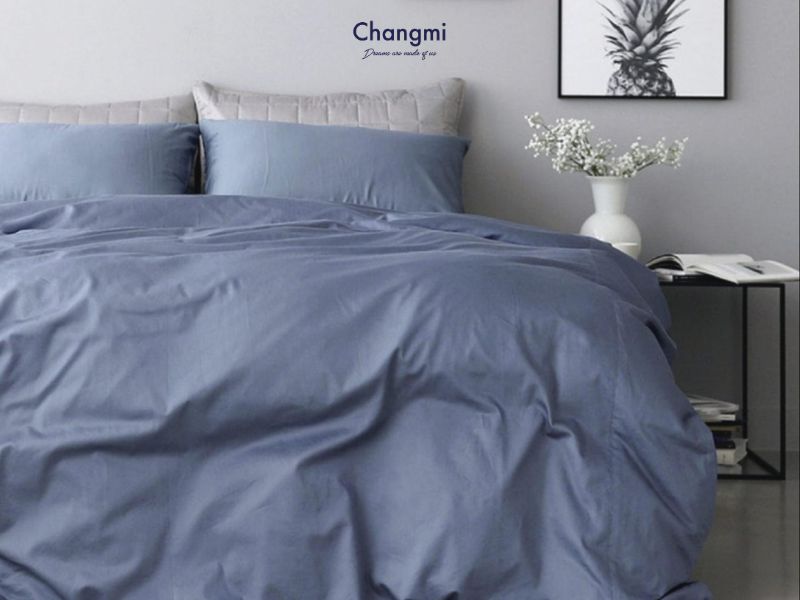
Changmi Bedding is a premium bedding brand in Vietnam, specialising in 5-star hotel-quality Cotton Sateen products. The Cotton Sateen products at Changmi are woven from 100% natural long-staple cotton, free from polyester, with a thread count ranging from 250 to 500 threads per square inch, ensuring a smooth, breathable surface that is gentle on the skin.
Highlights of the Cotton Sateen range at Changmi:
- Soft and smooth, with a natural, subtle sheen, and breathable—perfect for Vietnam’s climate
- Antibacterial, excellent wrinkle resistance, colourfast even after repeated washing
- Manufactured to the standards of 5-star hotels
- Featuring a sleek white design and subtle stripes, it pairs effortlessly with any bedroom style
Frequently Asked Questions about Satin Fabric
Is satin fabric expensive?
The price of satin fabric varies greatly depending on the type of fibre used. 100% silk satin is the most expensive type, with the price of the raw fabric ranging from 350,000 to 400,000 VND per metre or more. Polyester satin is significantly cheaper and is commonly found in affordable fashion items. Premium cotton sateen falls into the mid-to-high-end segment, reflecting the quality of long-staple cotton fibres and standard weaving processes. Generally speaking, if a product is labelled ‘satin’ but is priced too cheaply, it is very likely to be synthetic polyester satin, which does not offer the breathability and skin-friendliness of cotton sateen.
Is satin fabric cool?
The answer depends entirely on the type of satin.
- Cotton Sateen: cool, breathable, excellent moisture-wicking properties, suitable for Vietnam’s hot and humid climate
- Silk satin: excellent temperature regulation, cool in summer, warm in winter
- Polyester satin: retains heat, is not very breathable, and can feel stuffy in hot weather
So if you’re looking for cool satin bed linen for your bedroom, go for cotton sateen or silk satin.
What is the difference between satin fabric and satin silk?
Satin is the general term for any fabric woven using the satin weave, a special technique that creates a smooth, glossy surface on one side and a dull, textured surface on the other. Satin can be woven from a variety of fibres: polyester, viscose, cotton, or silk. Therefore, ‘satin’ is essentially a weave, not a material.
Satin silk (or silk satin fabric) is a special case: the fabric is woven using the satin weave and is made from 100% natural silk fibres. This is the highest-quality type of satin, with a lustrous, naturally soft and smooth surface that is lightweight and gentle on sensitive skin.
We hope that through this article, you have learnt what satin fabric is and the origins of this fabric, particularly the high-quality Cotton Sateen range, which is not only beautiful but also practical and safe for a good night’s sleep. If you’re looking for a bedding set that offers the luxurious, silky-smooth feel of a 5-star hotel right in your own bedroom, don’t hesitate to visit Changmi Bedding for advice and to experience the fabric first-hand before making a decision.