

Satin silk is a premium fabric woven using a special technique, creating a soft, smooth, lustrous and beautifully draping surface, commonly used in high-end fashion and luxury bedding. With Changmi Bedding, Satin Silk is not merely a fabric but a way of cherishing the experience of rest, transforming the bedroom into a refined, relaxing space for those who appreciate minimalist style and prioritise the quality of their sleep.
What is satin silk? The origins and history of satin silk
Satin silk is a fabric woven using the satin weave technique, in which the warp or weft threads are arranged so that the fabric surface features numerous raised threads, creating a characteristic soft, smooth sheen. Originally, satin was made from natural fibres such as silk; it has since been further developed using synthetic fibres or blends to optimise cost, durability and versatility across a wide range of applications.
Satin is believed to have originated in ancient China, before gradually spreading to the Middle East and Europe, where it became associated with luxury goods for the aristocracy. Over time, the satin weave has been applied to a variety of fibres, giving rise to a wide range of satin fabrics, from high-quality silk to satin made from cotton, viscose or polyester.

Classification of common types of satin
Once you have a clear understanding of the different types of satin silk, you will find it easy to choose the fabric that best suits your needs and lifestyle. Take a look at the following categories of satin silk commonly used in fashion and bedding to help you choose the right fabric for you.
Lụa Satin tơ tằm
Satin silk is a combination of natural silk fibres and the satin weave, resulting in a soft, smooth surface with a beautiful drape, a luxurious sheen and a cool, gentle feel against the skin. As it is made from silk fibres, satin silk is typically more expensive, making it ideal for those who prioritise the experience, aesthetic appeal and the sensation of lightness against the skin.
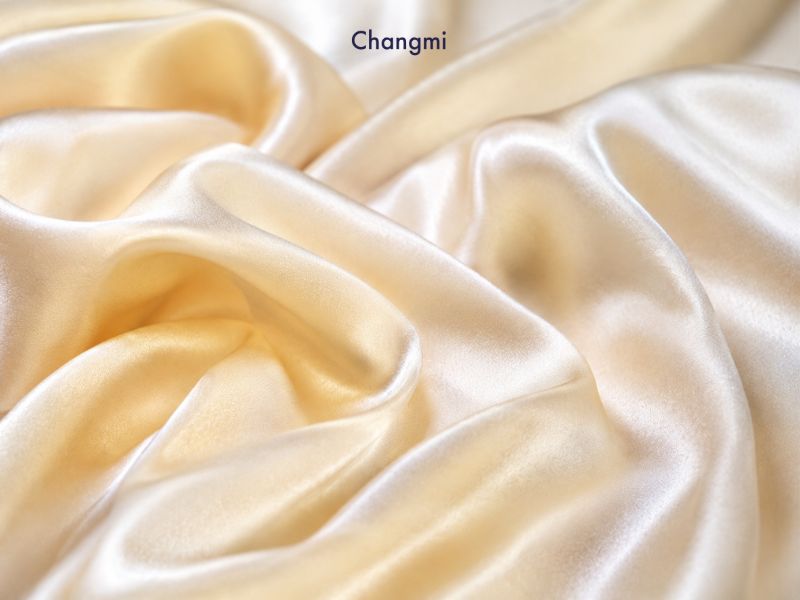
Cotton Lụa Satin
Cotton lụa satin là chất liệu được dệt theo kiểu Satin nhưng sử dụng sợi vải Cotton và sợi vải viscose làm nền, giúp bề mặt vải vẫn có độ bóng nhẹ, nhưng mềm mịn, thoáng khí và dễ chăm sóc hơn so với lụa tơ tằm. Nhờ mật độ sợi cao và cấu trúc dệt đặc biệt, Cotton Lụa Sateen mang đến cảm giác êm ái, bền màu, phù hợp với khí hậu nhiệt đới và nhu cầu sử dụng hàng ngày của gia đình.

Chiffon Satin
Chiffon Satin combines the light, airy qualities of chiffon with the soft sheen of satin, creating a fabric with excellent drape that is commonly used in garments such as dresses, skirts or coats. The surface of Chiffon Satin is typically thin and light, creating a flowing effect, making it suitable for designs requiring fluidity and femininity; however, it is not suitable for bedding due to its thinness and limited ability to retain heat.
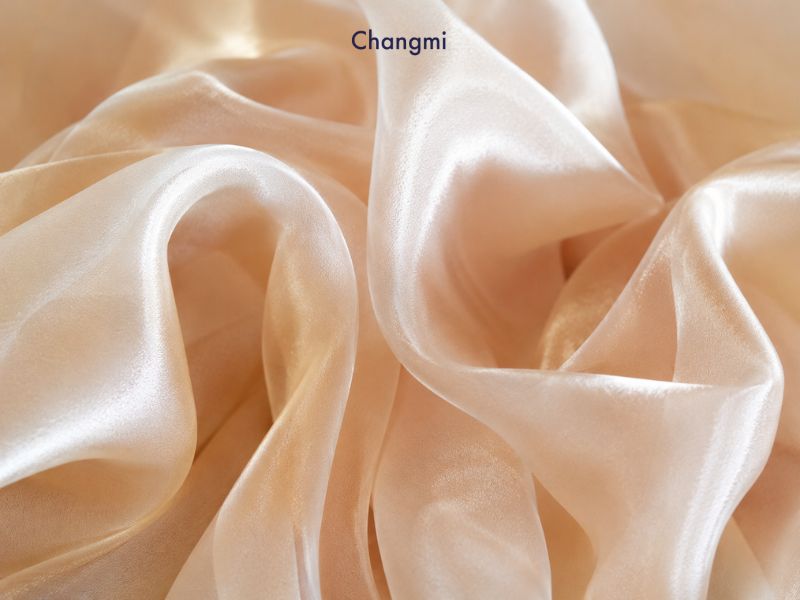
Other types of satin fabric
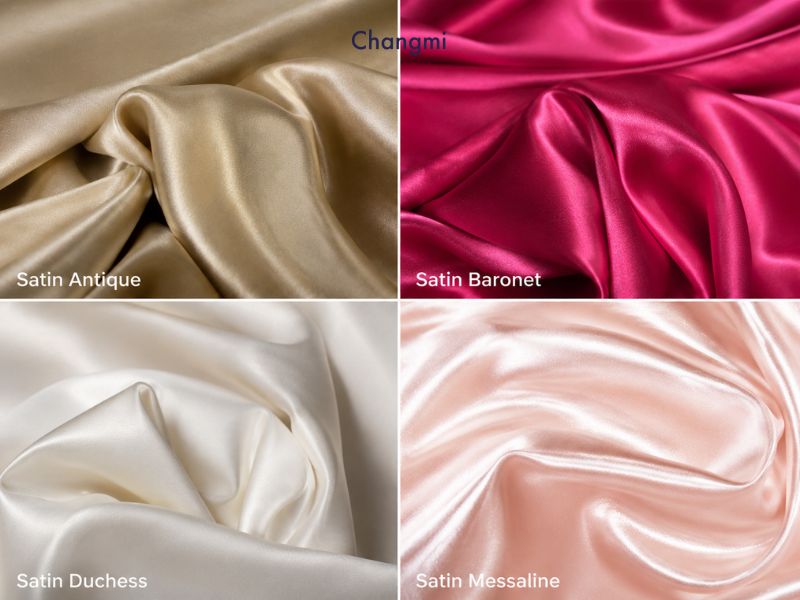
Nhóm vải Satin này bao gồm nhiều biến thể với đặc tính riêng, được ứng dụng trong nội thất, thời trang và chăn ga gối cao cấp. Mỗi loại mang một đặc trưng chất liệu khác nhau, phù hợp với từng mục đích sử dụng.
- Antique Satin: A heavy fabric with a subtle sheen, commonly used for curtains and interior design items that require a drape yet still retain a relatively distinct shape.
- Satin Baronet: With its bright colours and distinct sheen, it is commonly used in interior design and bedding due to its ability to enhance colours and create a light-reflecting effect.
- Duchess Satin: A fabric with a low sheen that holds its shape well; it is commonly used for wedding dresses or high-end evening gowns and is ideal for designs requiring a defined silhouette.
- Satin Messaline: A silk fabric with a high sheen, extremely soft and lightweight, often used for high-end garments requiring a shimmering effect, creating a luxurious look on stage or at events.
The advantages and disadvantages of satin
Satin is popular not only for its lustrous appearance but also for its distinctive feel, yet every fabric has its own advantages and disadvantages. Understanding these will help you choose the right fabric for your bedroom and your specific needs.
The advantages of satin
Satin offers numerous aesthetic and practical benefits, particularly in products that come into direct contact with the skin, such as nightdresses, pyjamas or high-quality bed linen. Its key advantages include the following aspects.
- High softness: The fabric surface feels smooth and silky against the skin, helping to minimise friction with the hair and skin, making it suitable for those with sensitive skin or who wish to reduce hair tangling whilst sleeping.
- Luxurious sheen: The satin finish features a subtle or pronounced sheen depending on the type, creating a luxurious look that is ideal for sophisticated bedrooms and evokes the feel of a luxury hotel.
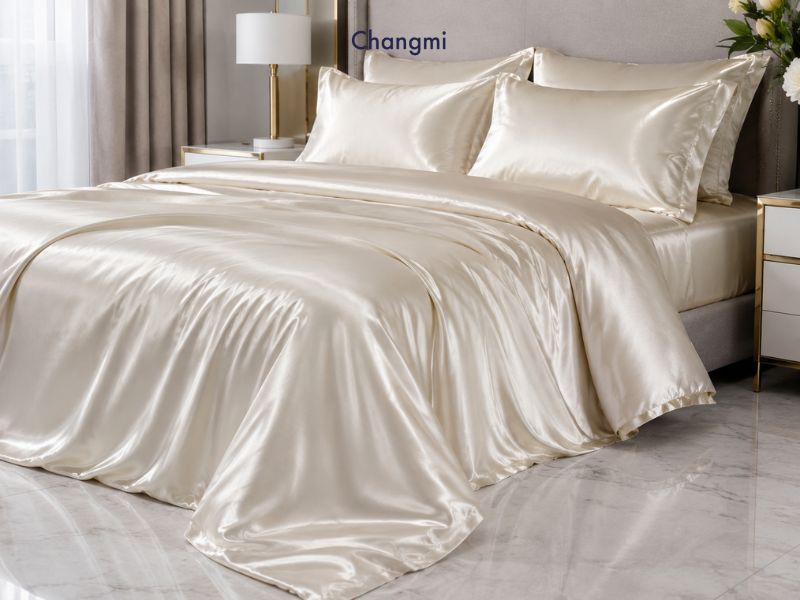
- Drape and body-hugging properties: The satin weave gives the fabric a beautiful drape, creating a soft feel when spread over the bed, whilst the way the duvet falls to the floor also looks neater and more elegant.
- A cool, light feel to the touch: With silk satin or satin fabrics made from premium fibres, the fabric’s surface often feels cool to the touch, making it ideal for hot and humid climates.
The drawbacks of satin
Alongside its notable advantages, satin silk also has certain limitations, particularly when used for bedding in the home.
- Average durability varies by type: With silk satin, the natural fibres are quite fine, so if washed incorrectly or wrung out too vigorously, the fabric is prone to pilling, stretching or losing its original sheen; it is not suitable for frequent, heavy-duty use.
- More difficult to care for: This fabric should ideally be hand-washed, kept out of direct sunlight and not treated with harsh bleaching agents; as a result, caring for silk satin usually takes longer than caring for cotton or Tencel.
- Prone to showing creases and marks: If folded or stored incorrectly, the glossy surface of satin will make creases more pronounced and visible on the bed, particularly for those who prefer a smooth, wrinkle-free surface.
- High cost: As satin is made from pure silk, it is typically in the premium price range, suitable for customers who prioritise the experience and are willing to invest, whilst cotton sateen or Tencel may offer a more cost-effective alternative.

A comparison of satin with other common fabrics
Comparing satin with popular fabrics such as cotton sateen and Tencel Lyocell will help you get a clearer picture of which one best suits your needs and enhances your daily sleep experience.
| Criteria | Satin | Cotton Sateen | Tencel Lyocell |
| Moderately smooth | Very tall, smooth to the touch, sleek | High, particularly at a density of 400–500 TC | Very high; it is often softer than natural silk |
| Airy | Good, feels cool to the touch | Good, suitable for a tropical climate | Superior, with approximately 1.5 times the moisture absorption of cotton |
| Durability | On average, depending on the washing method | Higher quality, stronger cotton fibres | High-quality, stable fibres with minimal shrinkage |
| Easy to care for | Delicate hand wash recommended avoid direct sunlight | Easy care machine washable at 30–40°C | Easy care: machine wash at 30°C on a gentle cycle |
| Price | Very high, in the premium segment | Reasonable, offering a good balance between cost and experience | Above average, offering good value for money |
| Antibacterial | On average, depending on the surface treatment | On average, meets general requirements | Naturally antibacterial, odour-resistant and mould-resistant |
| Suitable for sensitive skin | Good, gentle on the skin | Good; many products meet the OEKO-TEX standard | Excellent, 100% plant-based, low-irritation |
It is clear that satin is ideal for those who prioritise a luxurious feel and appreciate its characteristic sheen, whilst cotton sateen and Tencel Lyocell stand out for their durability, breathability and ease of care, making them perfect for everyday bedding.

Ứng dụng của lụa Satin trong đời sống
Lụa Satin được ứng dụng rộng rãi trong thời trang và nội thất nhờ vừa đẹp mắt, vừa đáp ứng tốt nhu cầu sử dụng hằng ngày.
Lĩnh vực thời trang
Trong thời trang, lụa Satin thường được sử dụng để may váy dạ hội, áo slip dress, áo sơ mi nữ, áo ngủ, đồ lót hoặc các phụ kiện như khăn choàng, nơ tóc. Bề mặt bóng, rủ đẹp giúp trang phục từ Satin ôm nhẹ theo cơ thể, tạo cảm giác mềm mại, nữ tính, đồng thời vẫn giữ được sự sang trọng cần thiết trong những dịp đặc biệt.
Manufacture of bed linen and bedding
Đối với ngành sản xuất chăn ga gối nệm, lụa Satin được ứng dụng để tạo nên những bộ chăn ga có bề mặt óng ánh, cảm giác chạm mịn, phù hợp với phòng ngủ mang phong cách thanh lịch, tối giản nhưng vẫn có điểm nhấn. Một số thương hiệu chọn lùa Satin tơ tằm nguyên chất, số khác ưu tiên Satin từ Cotton hoặc sợi nhân tạo cao cấp để cân bằng giữa trải nghiệm sử dụng, độ bền và chi phí cho khách hàng.
How to wash and care for satin silk to keep it looking beautiful and lasting longer
Proper care and cleaning will help satin silk retain its characteristic subtle sheen, soft and smooth feel, and beautiful drape throughout its lifetime.
- Gentle washing: You should select the hand-wash cycle or a machine cycle with a gentle spin, using cool or lukewarm water; avoid using water that is too hot, so as not to cause the fabric fibres to shrink or lose their natural sheen.
- Choose a mild laundry detergent: Opt for products that do not contain harsh bleaching agents, limit the use of bleach, and avoid pouring detergent directly onto the fabric to prevent unsightly streaks.
- Avoid wringing out vigorously and exposing to direct sunlight: After washing, gently squeeze out excess water, lay flat on a clean surface or hang in a well-ventilated area, away from direct sunlight, to prevent fading or the fabric becoming stiff.
- Iron at the correct temperature: If you need to iron the fabric, do so on the reverse side, selecting a low to medium heat setting, and you may place a thin layer of fabric on top to prevent scorching on the satin surface.

Frequently Asked Questions about Satin
1. Does satin crease?
Satin silk can still crease, but it does so very little thanks to its smooth surface, natural drape and ability to hold its shape much better than many types of ordinary silk.
2. Is satin fabric hot?
Vải lụa Satin có nóng không còn tùy thuộc vào chất liệu. Satin từ tơ tằm thường mát hơn, còn Satin Polyester dễ gây nóng và hầm bí.
3. How much does satin fabric cost?
The price of satin silk fabric usually ranges from 28,000 VND to 500,000 VND per metre, depending on the material, thickness and country of origin.
4. Is satin cool to wear?
Lụa Satin có khả năng thấm hút khá tốt và tạo cảm giác mềm mát nhưng độ thoáng thực tế còn phụ thuộc vào thành phần sợi dệt.
Satin là chất liệu mang lại trải nghiệm rất đặc biệt nhờ độ mềm, bóng và cảm giác chạm sang trọng, phù hợp với những ai yêu không gian ngủ tinh tế, tối giản nhưng vẫn có điểm nhấn về chất liệu. Nếu bạn đang cân nhắc giữa lụa Satin, Cotton Sateen hay Tencel cho phòng ngủ, bạn có thể liên hệ Chăn ga cao cấp Changmi Bedding để được tư vấn chi tiết.