

The choice of fabric not only determines the aesthetic appeal but also directly impacts your comfort in everyday use. In this article, Changmi Bedding will compare polyester and cotton fabrics in detail, providing you with the most comprehensive overview to help you make a smart and informed purchasing decision.
An overview of polyester and cotton fabrics
Before going into detail, it is important to understand the nature of each type of fibre to know why they feel different when you lie down to sleep. This will help you choose the right material for Saigon’s hot and humid climate and for long-term use in your home.
What is cotton fabric?
Cotton Fabric là loại vải được dệt từ sợi bông tự nhiên, lấy từ cây bông nên thuộc nhóm sợi nguồn gốc thực vật. Nhờ cấu trúc sợi bông rỗng, thoáng khí, Cotton có khả năng thấm hút mồ hôi tốt, mềm mại, thân thiện với da nhạy cảm và được xem là một trong những chất liệu lý tưởng cho chăn ga gối sử dụng quanh năm
What is polyester fabric?
Vải Polyester là loại vải tổng hợp, được sản xuất từ các hợp chất hóa học có nguồn gốc từ dầu mỏ như ethylene thông qua quá trình polymer hóa để tạo thành sợi. Polyester có ưu điểm nổi bật là rất bền, ít nhăn, giữ form tốt và khô rất nhanh sau khi giặt, nhưng khả năng thoáng khí và thấm hút mồ hôi kém hơn đáng kể so với sợi tự nhiên.
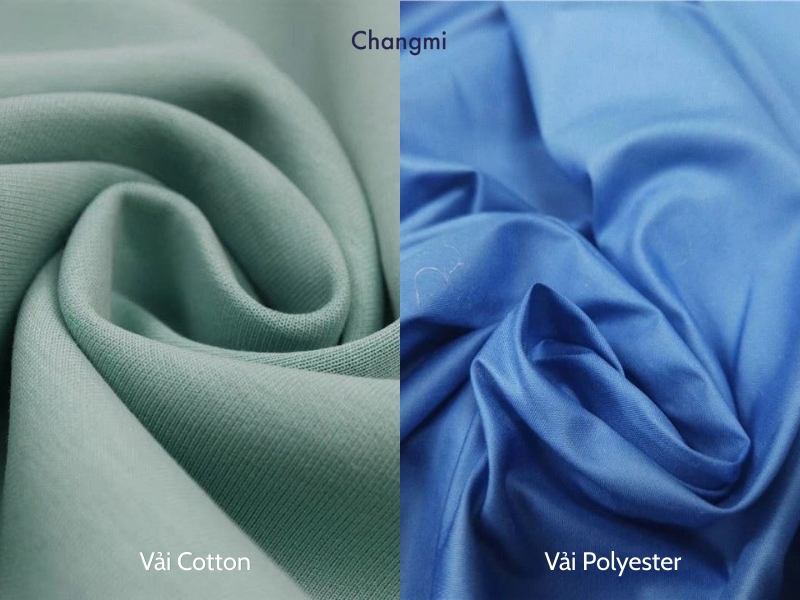
A detailed comparison of polyester and cotton fabrics
This detailed comparison of fabric materials will be based on practical factors that many people consider when shopping: from breathability during use and durability after repeated washing, to which option offers better value for money.
Origin and ingredients
The origin of the fibre has a significant impact on safety, sustainability and the overall feel in everyday use. Furthermore, cotton and polyester represent two groups of fibres that are fundamentally different in nature.
- Cotton fabric: A natural fibre derived from the cotton plant, it is gentle on the skin, causes little irritation and is biodegradable, making it very environmentally friendly.
- Polyester fabric: A synthetic fibre derived from petroleum, which consumes significant amounts of energy during production, is difficult to break down, and requires proper recycling processes to minimise its environmental impact.
The feel and sensation on the skin
The feel of the fabric against the skin is the most noticeable difference between cotton and polyester, particularly for those who are sensitive to their sleeping environment or find it difficult to fall asleep.
- Cotton fabric: Soft and gentle to the touch, it becomes softer with every wash and causes minimal friction, providing a natural feeling of warmth and is particularly safe for the sensitive skin of young children.
- Polyester fabric: Smooth surface, slippery and does not cling to the skin; cheaper varieties can feel rough and stiff, like plastic, and may cause discomfort and a stuffy feeling with prolonged contact.
Breathability and absorbency
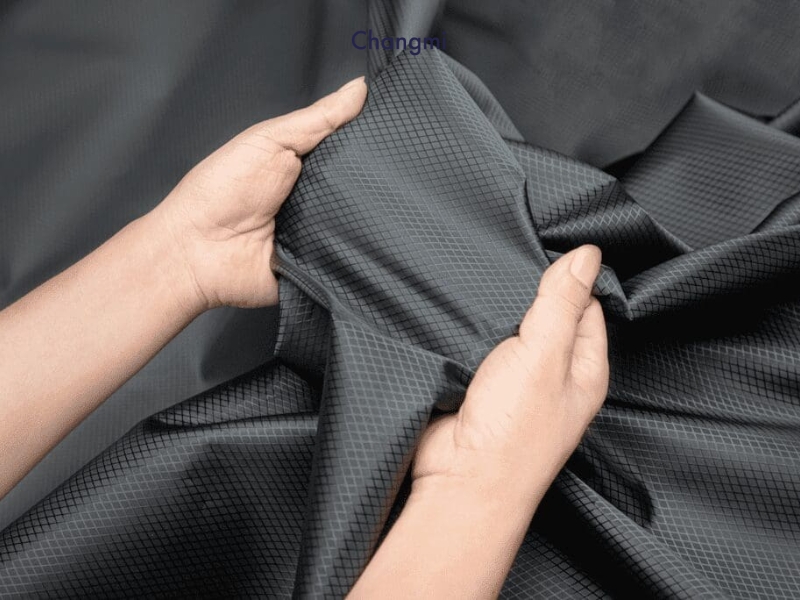
Breathability and moisture-wicking properties are key factors in determining whether you feel comfortable or stuffy when wearing the garment, especially in the current hot and humid climate.
- Cotton fabric: It absorbs sweat well and dries quickly, helping to prevent a sticky, clammy feeling on the back when lying down for long periods; it is ideal for year-round use, especially during the hot season.
- Polyester fabric: Offers outstanding advantages in terms of structural stability, shape retention and excellent wrinkle resistance. Thanks to its gentle heat-retaining properties, this material is an ideal choice for air-conditioned rooms or cooler days. To optimise the experience, polyester is often blended with cotton or lyocell, creating the perfect balance between durability and a breathable, comfortable feel for the wearer.
Durability, wrinkle resistance and shape retention
When choosing fabrics, we often have to weigh up comfort against practicality in terms of care. Knowing how to compare the durability and wrinkle resistance of cotton and polyester will help you choose a fabric that retains its colour and shape well over time.
- Cotton fabric: It absorbs sweat well and dries quickly, helping to prevent discomfort when lying down for long periods; it is ideal for year-round use, particularly during the hot season.
- Polyester fabric: Prioritising structural stability, superior shape retention and wrinkle resistance, it is better suited to air-conditioned rooms or cooler weather. As such, this material is often blended with cotton or Lyocell to create the perfect balance between the durability of polyester and the breathability and comfort of natural fibres.
Aesthetics, colour
When selecting fabrics, colour and texture play a decisive role in the visual impact and overall aesthetic appeal. Comparing the colour rendering and sheen of cotton and polyester will help you choose the fabric that offers the most refined, natural look and best suits your style.
- Cotton Fabric: The colours are vibrant yet understated and natural, with a range of finishes from a subtle matte to a subtle sheen, depending on the weave; ideal for those who appreciate a simple, neutral aesthetic.
- Polyester fabric: Excellent colour retention, fade-resistant and easy to print bold patterns; however, the fibres tend to have a high sheen, and if not chosen carefully, the fabric can feel stiff and unnatural.
Safety, skin-friendliness and environmental friendliness
The safety and hypoallergenic properties of the material are key factors in protecting your health whilst you sleep. The differences in the origin and fibre properties between cotton and polyester will help you easily find the option best suited to your physical condition and skin sensitivity:
- Cotton Fabric: The colours are vibrant yet understated and natural, with a range of finishes from a subtle matte to a subtle sheen, depending on the weave; ideal for those who appreciate a simple, neutral aesthetic.
- Polyester fabric: Excellent colour retention, fade-resistant and easy to print bold patterns; however, the fibres tend to have a high sheen, and if not chosen carefully, the fabric can feel stiff and unnatural.
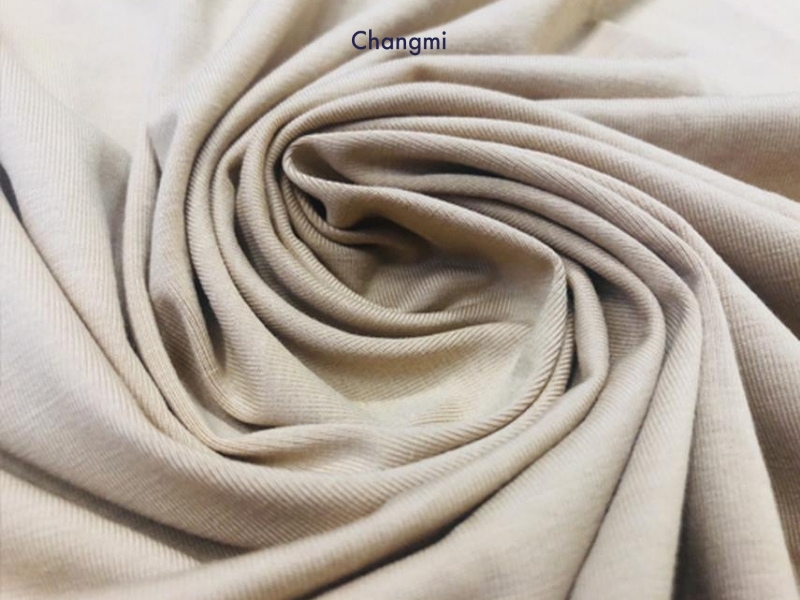
3 simple, easy-to-follow ways to tell the difference between polyester and cotton fabrics
To quickly distinguish between polyester and cotton fabrics, you don’t need to resort to complicated methods; you can easily tell the difference using three simple methods: assessing the texture, testing water absorption, and checking the fabric composition.
- Feel: Cotton fabric feels soft and cool to the touch and creases very easily when you try to scrunch it up gently. Polyester fabric, on the other hand, has a smooth, slightly shiny surface, is quite stretchy and leaves almost no creases after being scrunched up.
- Water test: When a few drops of water are placed on the surface, cotton fabric absorbs the water immediately and it spreads outwards. In contrast, polyester fabric is water-repellent, so the water droplets tend to form round beads and are absorbed very slowly.
- Check the label: Simply check the label attached to the side or collar of the garment; the manufacturer will clearly state whether the fabric is 100% cotton or 100% polyester, or provide the exact blend ratio if it is a mixed fabric (e.g. 65% cotton / 35% polyester).
A guide to choosing the right fabric for your needs
Choosing between cotton and polyester isn’t just a matter of theory; it also depends on your lifestyle, the climate where you live and how you use your bedding on a daily basis. Here are a few practical tips to help you make the right choice for your bedroom.
When should you choose cotton bed linen?
You should choose cotton bed linen if you prioritise a good night’s sleep and require a soft, gentle surface that is completely safe for sensitive skin or households with young children. This is the perfect choice if you live in a hot and humid climate and need a breathable material that wicks away sweat effectively to prevent you from feeling stuffy even without the air conditioning on, whilst also wanting to enjoy a relaxing, luxury hotel-style experience right at home.
When is polyester the right choice?
You should opt for polyester bedding if you wish to make the most of your budget whilst still enjoying a durable product that retains its colour well and does not shrink after repeated washing. However, as its sweat-wicking properties and breathability are not as good as those of cotton, this material is a sensible choice and offers the greatest comfort when used in a bedroom where the air conditioning is frequently on.
A blend of cotton and polyester in bedding products
The blend of cotton and polyester in the bedding makes the most of the advantages of both materials, offering the high durability and excellent shape retention of polyester, combined with the softness, breathability and moisture-wicking properties of cotton.

Why do so many bedding sets nowadays use a cotton-polyester blend?
Cotton-polyester blends are becoming increasingly popular as they strike a balance between breathability, softness, durability and ease of care. Bedding sets made entirely of cotton are prone to creasing and require more care, whilst pure polyester can feel stuffy; as such, blended fabrics are seen as a compromise that meets a variety of needs in both the home and the hospitality sector.
Tại Changmi, một số sản phẩm Chăn ga Cotton sateen trắng trơn sử dụng thành phần Cotton pha Polyester với mật độ sợi 250 trở lên, nhằm tạo bề mặt mềm mịn, thoáng mát nhưng vẫn hạn chế nhăn và dễ chăm sóc trong môi trường sử dụng hằng ngày. Đây là lựa chọn phù hợp cho khách hàng muốn chạm gần hơn với cảm giác khách sạn nhưng vẫn cân đối được ngân sách và thời gian chăm sóc chăn ga.
Comparison table of polyester and cotton fabrics for use in duvets, sheets and pillows
To help you weigh up your options and make the decision that best suits your family’s sleep needs, lifestyle and budget, here is a summary of the key differences between these two materials:
| Criteria | Cotton fabric (natural fibres) | Polyester fabric (synthetic fibre) |
| The sensation on the skin | Extremely soft, gentle, gentle on the skin and safe even for sensitive skin or babies’ skin. | It usually feels smoother, though it can sometimes feel slightly rough or have a plastic-like texture if it’s a cheap model. |
| Breathability and moisture absorption | Excellent. Wicks away sweat effectively, regulates body temperature, and prevents sweating on the back when lying down for long periods. | Not great. It retains heat well but feels stuffy and doesn’t wick away sweat very well. It can easily become stifling in hot weather. |
| Anti-wrinkle properties | Low. It creases and wrinkles very easily after waking up or after washing. It usually requires a lot of ironing to keep the bed looking neat and tidy. | Excellent. It hardly ever creases; the bed is always smooth and tidy. |
| Washing and care | It is more prone to staining and absorbs more water, making it heavier and slower to dry. It is prone to slight shrinkage during the first few washes. | Resistant to stains, dries extremely quickly and is lightweight. Does not shrink or lose its shape when machine-washed. |
| Durability | It is very durable and becomes softer with every wash, but it may rot if left in a damp environment for a long time. | Extremely durable, highly resistant to friction, and reduces the risk of mould and mildew if stored correctly |
| Price | From medium to very high (depending on the thread count and the origin of the cotton). | Affordable, making it an extremely budget-friendly option. |
| Ideal weather | All year round, especially during the sweltering summer months in Vietnam. | In winter, or in bedrooms where the air conditioning is always set to a low temperature. |
Frequently asked questions when comparing polyester and cotton fabrics
1. Is poly-cotton hot?
Warmer than 100% cotton but cooler than 100% polyester. The level of breathability depends on the blend ratio: the higher the cotton content, the less likely the fabric is to feel stuffy.
>> Xem thêm: Vải polyester có mát không?
2. Which is better: polyester or cotton?
Depending on the intended use, cotton offers a softer, cooler and more skin-friendly feel, whilst polyester is more practical (durable, crease-resistant and quick-drying) and more affordable.
3. Which is cooler: cotton or polyester?
Cotton is much cooler than polyester, thanks to the natural cotton fibres’ ability to wick away sweat quickly and their excellent breathability.
We hope that this detailed article comparing polyester and cotton fabrics has given you a comprehensive overview to help you choose the material that best suits your needs. To own products made from safe, soft fabrics that fully enhance your relaxation space, contact Changmi Bedding today for advice and to select the highest quality collections!