

In recent years, microfibre fabric has become increasingly common in high-end bedding products, particularly pillow inserts, duvet inserts and mattress toppers. Join Changmi Bedding to find out what microfibre fabric is and how to choose the right product for your bedroom, giving you a comprehensive overview before you make a purchase.
What is microfibre fabric? Distinguishing between microfibre fibres and microfibre fabric
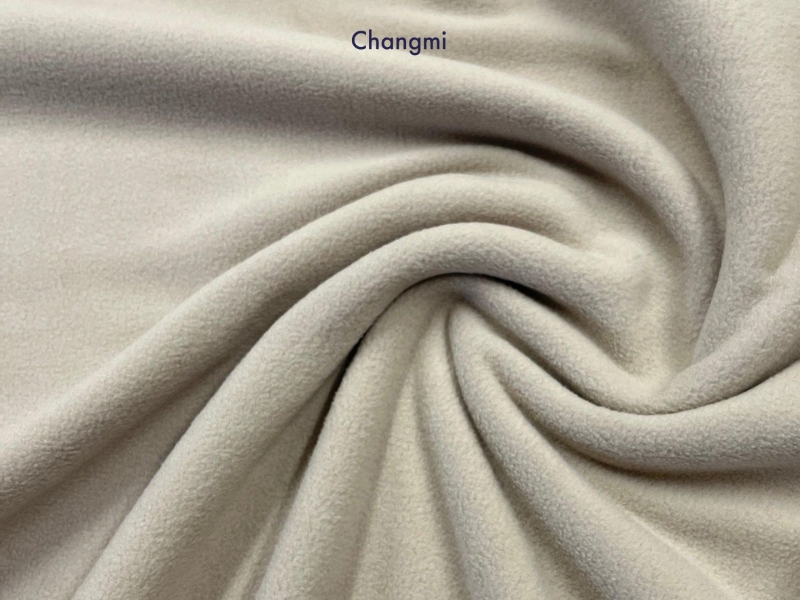
Microfibre fabric is a type of fabric woven from microfibres—synthetic fibres with an extremely small diameter, typically many times finer than a human hair. Thanks to its fine, dense fibre structure and large surface area, microfibre fabric retains heat gently, retains its loft well, and absorbs and wicks away moisture relatively quickly when processed correctly.
In addition, when using them, it is important to know how to distinguish between microfibre fibres and microfibre fabric in order to make the right choice for your needs:
- Microfibre: A single fibre drawn from polymers such as polyester, polyamide (nylon) or a combination of both.
- Microfibre fabric: This is the finished product resulting from the weaving or non-woven processing of microfibre fibres, used in products such as cleaning cloths, jackets, duvet inserts, pillow inserts, mattress toppers and other home furnishings.
Thanks to its ultra-fine structure, microfibre fabric used in bedding typically feels snug, soft and fluffy, making it ideal for those who love the sensation of lying down on bedding that is neither heavy nor stuffy.
The microfibre fabric production process
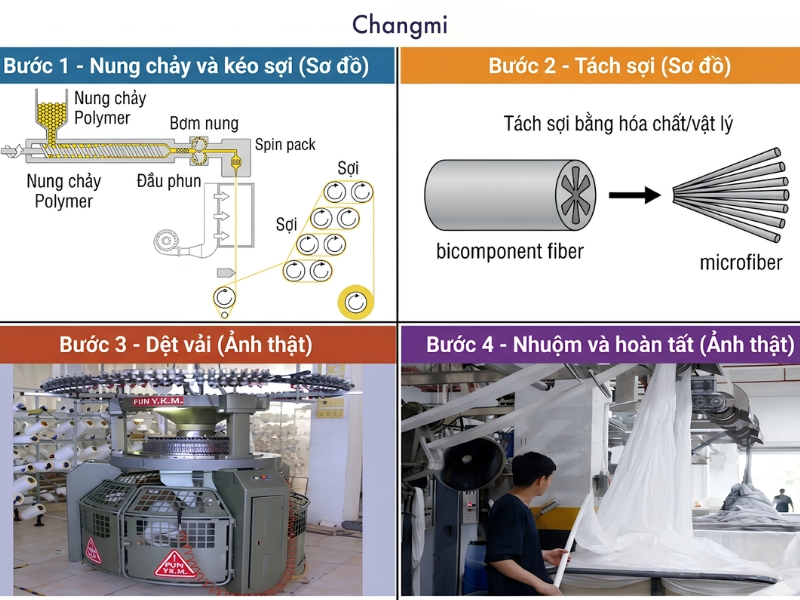
The microfibre fabric production process combines advanced chemical and textile technologies to transform synthetic polymers into ultra-fine fibres. This process requires sophisticated techniques, particularly during the fibre separation stage, to create the fluffy, highly absorbent and exceptionally soft texture that characterises the product.
- Step 1 – Melting and spinning: The raw plastic pellets (polyester and polyamide) are melted at high temperatures, then extruded through ultra-fine nozzles to form double-filament synthetic fibres.
- Step 2 – Fibre separation: This is the most important stage, involving the use of chemicals or heat to separate these double fibres into countless ultra-fine fibres.
- Step 3 – Weaving the fabric: Once the microfibre fibres have been separated and cleaned, they are spun into yarn and fed into a loom to be woven into rough fabric.
- Step 4 – Dyeing and finishing: The raw fabric is dyed, washed and dried, and undergoes surface treatments (such as softening and brushing) to produce a smooth, high-quality finished product.
Advantages and disadvantages of using microfibre cloths
To choose the right material, it is important to consider microfibre fabric objectively, weighing up both its advantages and disadvantages.
The advantages of microfibre fabric
Thanks to its ultra-fine fibre structure and advanced manufacturing process, microfibre fabric boasts a range of outstanding properties, fully meeting both aesthetic and functional requirements.
- Soft, lightweight and comfortable against the skin: Ultra-fine microfibre fibres create a fluffy feel, hugging the body without feeling heavy or stuffy. This is why microfibre duvet inserts and microfibre toppers are often used to create the thick, plush feel of a 5-star hotel mattress.
- High durability, wrinkle-resistant, colourfast: As microfibre is a synthetic fibre, it is highly durable, withstands repeated washing, is wrinkle-resistant and retains its shape well, making it ideal for duvet and pillow inserts intended for long-term use.
- Excellent absorbency, quick-drying, and mould-resistant: The fine fibre structure increases the surface area, promoting rapid absorption and moisture release when washed and dried correctly. As a result, microfibre duvet and pillow inserts help prevent musty odours and reduce the risk of mould in hot and humid climates.
- Reduced risk of allergies: When manufactured to standard, microfibre attracts and retains less dust than natural, fluffy materials, helping to create a cleaner sleeping environment that is more suitable for people with sensitive skin or respiratory allergies.
Disadvantages of choosing microfibre fabric
Although it has many advantages, microfibre fabric is still a synthetic fibre and therefore has certain limitations:
- Về độ thoáng khí: So với vải cotton tự nhiên, microfiber có độ thoáng khí thấp hơn. Tuy nhiên, ở các dòng microfiber cao cấp, cảm giác bí nóng đã được cải thiện đáng kể. Cấu trúc sợi mảnh cùng lớp bông nhẹ hơn giúp sản phẩm giữ được sự thông thoáng cần thiết, không lo hầm bí.
- Regarding the environment and safety: As it is a synthetic fibre, it is less environmentally friendly than natural fabrics; therefore, if you wish to use natural products, you may wish to consider alternatives such as bamboo fabric.
- Care and heat resistance: The fabric is not heat-resistant and is prone to shrinking or losing its shape if machine-washed or tumble-dried at high temperatures, or if ironed.
As you can see, microfibre is the ideal choice for those with sensitive or allergy-prone skin thanks to its vegan, safe and antibacterial properties; it is particularly suitable for anyone who loves the feel of fluffy, lightweight bedding that doesn’t weigh you down yet still keeps you warm.

The use of microfibre fabric in everyday life and in the production of high-end bedding and pillows
With outstanding advantages such as being ultra-lightweight, highly durable and extremely easy to care for, microfibre is currently the go-to material for a wide range of applications: from fashion and technical wipes to high-end bedding products.
The use of microfibre in clothing and accessories
In the clothing industry, microfibre is used for jackets, sportswear, gloves, socks and accessories that require durability, lightness, wind resistance and stain resistance. In the household accessories sector, microfibre is widely used in glass cleaning cloths, car cleaning cloths and interior cleaning cloths due to its excellent water and dust absorption properties, whilst not scratching surfaces.
Microfibre in bedding
For customers who prefer a minimalist bedroom, using microfibre duvet inserts, pillow inserts and mattress toppers helps keep the bed neat, lightweight and easy to launder, whilst maintaining a soft, luxurious feel. In the luxury bedding sector, microfibre is commonly found in three main product categories:
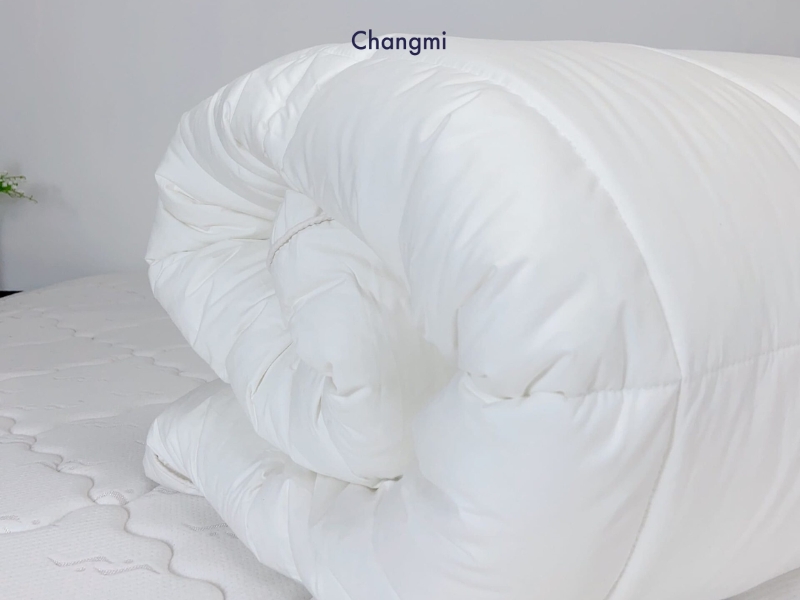
- Microfibre synthetic down duvet insert: It offers a fluffy, light and soft feel, just like natural down, helping you to feel relaxed and free from any heaviness when tucked in, whilst still providing ample warmth. Furthermore, as it contains no animal feathers, the product is extremely suitable for those with allergies and is much easier to clean.
- Microfibre synthetic down pillow insert: Soft, with moderate resilience, retains its shape well, and provides support for the head and neck whilst maintaining a pleasant, gentle give that feels comfortable when lying down.
- Microfibre synthetic down topper: A comfort layer placed on top of the mattress, making the bed surface softer and more comfortable without the need to replace the entire mattress; highly popular in 5-star hotel bedroom settings.
A quick comparison of microfibre fabric with other common bedding materials
The comparison table below will help you understand how microfibre differs from some common materials used for duvet and pillow fillings.
| Criteria | Microfibre (duvet and pillow filling) | Cotton wool / 3D cotton | Natural feathers |
| Softness, fluffiness | Very soft, fluffy and snug | Moderately soft, medium-fluffy | Soft and fluffy, light and comfortable, and a perfect fit |
| Weight | Light | Lightweight or heavier microfibre | Very light |
| Absorbency | Good, dries quickly after washing | Average | Good, but difficult to wash |
| Cleaning and storage | Machine washable, quick-drying | Machine washable, takes longer to dry | Cleaning is more complicated |
| Durability | Tall, with few wrinkles and little sagging | Tends to clump over time | Durable but requires careful maintenance |
| Environmental friendliness | Inferior to natural fibres | Depending on the ingredients | Natural, but derived from animals |
How to clean and care for microfibre bedding to keep it looking good and lasting longer
Proper care not only ensures the product lasts longer but also keeps your bedroom clean and comfortable, helping you enjoy a deeper sleep. To keep your Microfibre product soft, fluffy, clean and colourfast, please note the following:
- Regular washing: Depending on how often they are used, pillow inserts should be washed approximately once every 1–2 months, and duvet inserts once every 3–6 months to minimise dust and odours.
- Use a gentle wash cycle: Opt for a gentle wash cycle and a moderate water temperature as recommended on the product label; avoid excessively high temperatures, which can affect the durability and loft of the fibres.
- Drying and air-drying: If using a tumble dryer, select a low to medium heat setting; air-dry in a well-ventilated area, avoiding direct exposure to strong sunlight for too long.
- Gently tap and fluff after washing: After each wash and tumble dry or air-dry, gently tap the item with your hands and spread it out evenly to restore the microfibre fibres to their fluffy state, ensuring the duvet and pillow inserts remain beautifully plump.
Changmi Bedding specialises in supplying microfibre duvet inserts, pillow inserts and mattress toppers in Ho Chi Minh City
If you are looking for high-quality microfibre duvet inserts, pillow inserts or mattress toppers in Ho Chi Minh City, Changmi Bedding is a trusted choice, with a focus on carefully selected materials and a superior sleep experience. Changmi’s microfibre product ranges are designed to:
- It feels soft and light, hugging the body in the style of a 5-star hotel bed, yet remains suitable for a hot and humid climate.
- Strict production processes and quality control, with a focus on safety for sensitive skin and long-term durability.
Frequently Asked Questions about Microfibre Cloths
1. Does microfibre fabric get hot?
Microfibre fabric can feel hot, particularly in summer weather or in un-air-conditioned environments, as synthetic fibres have a very high heat-retention capacity.
2. Where can I buy microfibre cloths?
Microfibre fabric can be purchased at major fabric markets such as Tân Bình Market and Soái Kình Lâm Market, or through suppliers of textile materials.
3. How do microfibre and polyester differ?
Polyester is the name of a type of synthetic material, whilst microfibre is a term referring to an ultra-fine woven fibre structure.
Microfibre fabric is a superb example of advancements in textile technology, offering exceptional softness, fluffiness and support. Contact Changmi Bedding today to bring home soft Microfibre products that meet 5-star hotel standards!